
First Time in India? 15 Essential Things Foreign Travellers Should Know Before Arriving
- authadmin
- India Travel Guide
- First Time in India, India Tourism, India Travel for Foreigners, India Travel Guide, India Travel Tips, Travel Safety in India, Travel Tips for Tourists
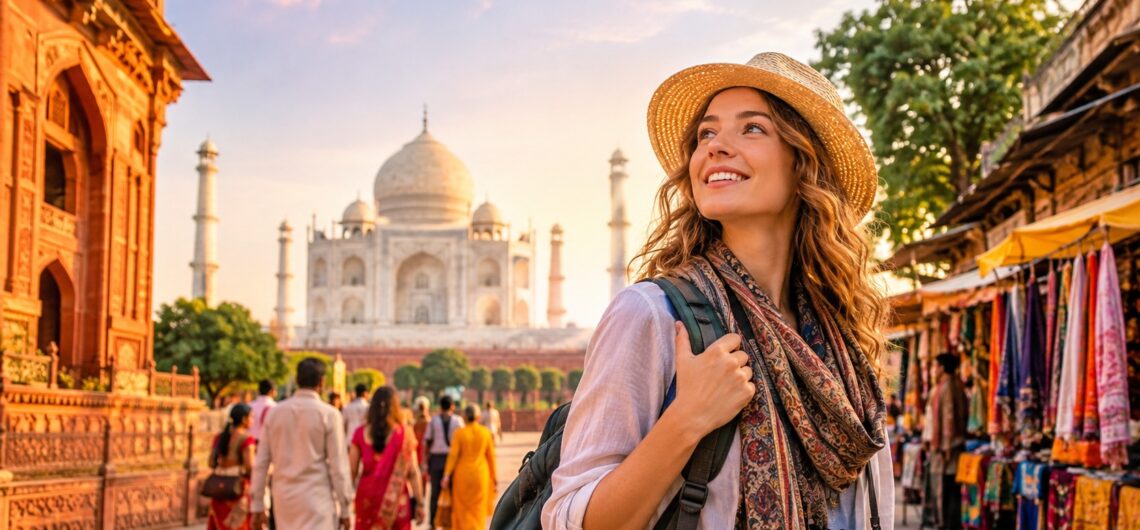
<p><strong>First time travelling to India</strong> can feel like visiting several countries at once. Climate, language, food and customs shift quickly from region to region, and a little preparation turns confusion into curiosity.</p><p>These <strong>India travel tips for foreigners</strong> cover what matters most before you land, from weather and etiquette to SIM cards and scams. Rajasthan's forts, Kerala's backwaters and Himalayan villages differ enormously, so plan for variety, not one uniform India.</p>
<h2>1. Understand India's Climate</h2>
<p>Here are the <strong>things to know before visiting India</strong>, starting with weather. North India is most comfortable from October to March, summers get intensely hot, and monsoon rains from June to September disrupt travel.</p>
<h2>2. Check Visa and Entry Requirements</h2>
<p>Rules change, so confirm current visa and passport requirements through official Indian immigration sources before booking. Our <a href="https://www.indiatravelbear.com/do-you-need-visa-to-visit-india/">India visa guide</a> explains the options.</p>
<h2>3. Respect Indian Culture and Customs</h2>
<p>Remove shoes before entering temples, mosques, gurdwaras and many homes. Dress modestly at religious sites, cover your head where required, and ask before photographing people or rituals.</p>
<h2>4. Choose Suitable Clothing</h2>
<p>Light cotton suits most regions, while Himalayan evenings and air-conditioned trains call for layers. Keep shoulders and knees covered at religious destinations.</p>
<h2>5. Understand Indian Food</h2>
<p>Cuisine ranges from mild Gujarati dishes to fiery Andhra curries. Ask for less spice, introduce unfamiliar dishes gradually, and try regional specialities. Many people eat with their right hand; cutlery is usually available.</p>
<h2>6. Follow Food and Water Hygiene</h2>
<p>Drink sealed bottled or properly filtered water and avoid ice of uncertain origin. Choose busy restaurants serving freshly cooked food, and ask a travel clinic about vaccinations and stomach medication before departure.</p>
<img width="748" height="421" src="https://www.indiatravelbear.com/wp-content/uploads/2026/11/india_food_hygiene_transport_infographic-1024x576.jpg" alt="" srcset="https://www.indiatravelbear.com/wp-content/uploads/2026/11/india_food_hygiene_transport_infographic-1024x576.jpg 1024w, https://www.indiatravelbear.com/wp-content/uploads/2026/11/india_food_hygiene_transport_infographic-300x169.jpg 300w, https://www.indiatravelbear.com/wp-content/uploads/2026/11/india_food_hygiene_transport_infographic-768x432.jpg 768w, https://www.indiatravelbear.com/wp-content/uploads/2026/11/india_food_hygiene_transport_infographic-1536x864.jpg 1536w, https://www.indiatravelbear.com/wp-content/uploads/2026/11/india_food_hygiene_transport_infographic-600x338.jpg 600w, https://www.indiatravelbear.com/wp-content/uploads/2026/11/india_food_hygiene_transport_infographic.jpg 1672w" sizes="(max-width: 748px) 100vw, 748px" />
<h2>7. Understand Transportation</h2>
<p>Indian Railways is scenic and economical; book early through<a href="https://www.irctc.co.in/nget/train-search"> IRCTC</a> or authorised agents. Domestic flights save time on long routes. Use prepaid airport taxis, registered taxis or apps such as Uber and Ola.</p>
<h2>8. Choose Accommodation Carefully</h2>
<p>Pick a well-located, accessible property, read recent reviews and reserve ahead in peak season, particularly in Jaipur and Agra.</p>
<h2>9. Prepare Payment Options</h2>
<p>Carry some rupees for small purchases and check that your cards work internationally. UPI is not automatically available to foreign visitors, though wallets such as UPI One World exist through selected issuers. See our <a href="https://www.indiatravelbear.com/how-to-travel-india-on-a-small-budget/">budget travel guide</a> for cost planning.</p>
<h2>10. Stay Connected from Day One</h2>
<p>Arrange a local SIM card or suitable eSIM before travelling or shortly after arrival. Mobile internet helps with maps, accommodation details, transport apps, bookings and messaging. Download offline maps as a backup if the connection drops. Check SIM registration requirements and eSIM compatibility before departure; physical SIMs usually need your passport, visa copy and a local address.</p>
<h2>11. Understand Language Differences</h2>
<p>India recognises 22 scheduled languages, with Hindi and English widely used. Basic English is understood in many tourist-facing businesses, though this varies by location. A few phrases like <em>namaste</em> and <em>dhanyavaad</em> help.</p>
<h2>12. Follow Personal Safety Precautions</h2>
<p>Use the same awareness you would in any large city, and keep valuables out of sight.</p><h3>Watch Out for Common Tourist Scams</h3><ol><li><p>1. Be cautious of unsolicited travel offers and unofficial guides.</p></li><li><p>2. Verify claims that a hotel, attraction or transport service is closed with your accommodation staff or official websites.</p></li><li><p>3. Avoid changing plans because strangers pressure you.</p></li><li><p>4. Agree on transport prices before the journey starts.</p></li></ol><p>Most people you meet will be helpful; these are simple precautions, not reasons for alarm.</p>
<h2>13. Understand Local Shopping</h2>
<p>Bargaining is normal in markets but not in fixed-price shops. Compare prices at a few stalls and ask for receipts on larger purchases.</p>
<h2>14. Protect Important Documents</h2>
<p>Keep passport and visa copies separate from the originals. Note your accommodation address, travel insurance details and emergency contacts. India's national emergency number is 112, and the tourist helpline is 1800-11-1363 (or 1363).</p>
<h2>15. Plan a Realistic Itinerary</h2>
<p>Avoid covering too many cities in a short trip. Distances are long, and trains and flights can run late, so leave room for delays and unplanned exploration. The <a href="https://www.indiatravelbear.com/golden-triangle-tour-packages/">Golden Triangle route</a> of Delhi, Agra and Jaipur suits a first visit.</p>
<h2>Your First-Day Checklist</h2>
<ul><li>☐ Keep your passport and travel documents accessible.</li><li>☐ Save your accommodation address offline.</li><li>☐ Arrange mobile internet or a local SIM/eSIM.</li><li>☐ Have airport transfer details ready.</li><li>☐ Save emergency contact numbers.</li><li>☐ Carry a reasonable amount of rupees.</li><li>☐ Download offline maps as a backup.</li></ul>
<h2>Final Thoughts</h2>
<p>A first trip to India rewards visitors who prepare, stay flexible and ask questions. Cover these travel essentials, keep the plan realistic, and the country's variety becomes the highlight rather than the challenge.</p>
First time travelling to India can feel like visiting several countries at once. Climate, language, food and customs shift quickly