<!-- wp:paragraph -->
<p>India is one of those rare countries where you can have the trip of a lifetime without emptying your savings account. From the snow-capped Himalayas to the palm-fringed beaches of Kerala, from ancient temples to chaotic bazaars — this country packs more variety per rupee than almost anywhere on earth.</p>
<!-- /wp:paragraph -->
<!-- wp:paragraph -->
<p>But here's the honest truth: budget travel in India takes a little planning. Prices have gone up since 2022, tourist areas are busier than ever, and the gap between "traveler price" and "local price" is still very real. This guide cuts through the noise and gives you practical, up-to-date advice for 2026 — whether you're a solo backpacker from Mumbai, a student from Delhi, or an international traveler visiting India for the first time.</p>
<!-- /wp:paragraph -->
<!-- wp:heading -->
<h2 class="wp-block-heading" id="h-is-it-really-possible-to-travel-india-on-a-small-budget">Is It Really Possible to Travel India on a Small Budget?</h2>
<!-- /wp:heading -->
<!-- wp:paragraph -->
<p><strong>Quick Answer:</strong> Yes. India remains one of the most affordable travel destinations in the world. A careful backpacker can get by on ₹1,000–₹1,500 per day. A comfortable budget traveler can enjoy India well on ₹2,000–₹3,000 per day.</p>
<!-- /wp:paragraph -->
<!-- wp:paragraph -->
<p>The key is knowing where your money goes — and where it doesn't need to.</p>
<!-- /wp:paragraph -->
<!-- wp:heading {"level":3} -->
<h3 class="wp-block-heading" id="h-average-daily-budget-for-backpackers">Average Daily Budget for Backpackers</h3>
<!-- /wp:heading -->
<!-- wp:paragraph -->
<p>For a backpacker willing to stay in dorms, eat at local dhabas, and take second-class trains, here's a realistic daily breakdown:</p>
<!-- /wp:paragraph -->
<!-- wp:table -->
<figure class="wp-block-table"><table class="has-fixed-layout"><thead><tr><th>Expense</th><th>Estimated Daily Cost (₹)</th></tr></thead><tbody><tr><td>Accommodation (dorm/budget room)</td><td>₹300 – ₹600</td></tr><tr><td>Food (3 meals + chai)</td><td>₹200 – ₹400</td></tr><tr><td>Local transport</td><td>₹100 – ₹200</td></tr><tr><td>Entry fees / activities</td><td>₹50 – ₹200</td></tr><tr><td>Miscellaneous</td><td>₹100 – ₹200</td></tr><tr><td><strong>Total</strong></td><td><strong>₹750 – ₹1,600/day</strong></td></tr></tbody></table></figure>
<!-- /wp:table -->
<!-- wp:paragraph -->
<p>This is completely doable, especially in smaller towns and rural areas. Cities like Mumbai and Delhi will push costs higher.</p>
<!-- /wp:paragraph -->
<!-- wp:heading {"level":3} -->
<h3 class="wp-block-heading" id="h-budget-for-solo-travelers">Budget for Solo Travelers</h3>
<!-- /wp:heading -->
<!-- wp:paragraph -->
<p>Solo travelers — whether Indian or international — typically spend ₹1,500 to ₹2,500 per day for a comfortable experience. This covers a private budget room, restaurant meals (not just street food), auto-rickshaws, and one or two paid attractions daily.</p>
<!-- /wp:paragraph -->
<!-- wp:paragraph -->
<p>Solo travel does carry a "single supplement" in accommodation, which means you often pay the same price as two people sharing. To offset this, hostels and dorms are your best friend.</p>
<!-- /wp:paragraph -->
<!-- wp:heading {"level":3} -->
<h3 class="wp-block-heading" id="h-budget-for-couples">Budget for Couples</h3>
<!-- /wp:heading -->
<!-- wp:paragraph -->
<p>Couples actually travel cheaper per person than solo travelers because accommodation costs split in half. A couple can travel very comfortably on ₹2,000–₹3,000 total per day (₹1,000–₹1,500 per person). Sharing meals, taxis, and rooms adds up to serious savings over a long trip.</p>
<!-- /wp:paragraph -->
<!-- wp:heading -->
<h2 class="wp-block-heading" id="h-best-time-to-travel-india-on-a-budget">Best Time to Travel India on a Budget</h2>
<!-- /wp:heading -->
<!-- wp:paragraph -->
<p>Timing your trip right can save you 30–50% on hotels and flights alone.</p>
<!-- /wp:paragraph -->
<!-- wp:heading {"level":3} -->
<h3 class="wp-block-heading" id="h-cheapest-months-to-travel">Cheapest Months to Travel</h3>
<!-- /wp:heading -->
<!-- wp:paragraph -->
<p><strong>February to March</strong> and <strong>September to November</strong> are the sweet spots. The weather is good in most regions, crowds are manageable, and prices haven't hit peak-season highs yet.</p>
<!-- /wp:paragraph -->
<!-- wp:list -->
<ul class="wp-block-list"><!-- wp:list-item -->
<li><strong>January–February:</strong> Great for Rajasthan, Kerala, and Goa. Prices start dropping after New Year.</li>
<!-- /wp:list-item -->
<!-- wp:list-item -->
<li><strong>September–October:</strong> Ideal for the mountains and North India. Monsoon has just ended and everything is green and fresh.</li>
<!-- /wp:list-item -->
<!-- wp:list-item -->
<li><strong>June–August:</strong> The monsoon season. This is the cheapest time to travel, especially in Rajasthan and Gujarat, but some areas become inaccessible and humidity is brutal.</li>
<!-- /wp:list-item --></ul>
<!-- /wp:list -->
<!-- wp:heading {"level":3} -->
<h3 class="wp-block-heading" id="h-off-season-travel-benefits">Off-Season Travel Benefits</h3>
<!-- /wp:heading -->
<!-- wp:paragraph -->
<p>Traveling in the off-season (May–June or the monsoon months) can cut hotel prices by 40–60%. Beaches like Goa and Varkala are almost empty, and popular sites like the Taj Mahal have far shorter queues. You'll also find guesthouse owners much more willing to negotiate.</p>
<!-- /wp:paragraph -->
<!-- wp:paragraph -->
<p>The downside: extreme heat in plains areas during May–June (temperatures can cross 45°C), and heavy rain in coastal regions during monsoon. Always check regional weather before booking.</p>
<!-- /wp:paragraph -->
<!-- wp:heading {"level":3} -->
<h3 class="wp-block-heading" id="h-festival-season-costs">Festival Season Costs</h3>
<!-- /wp:heading -->
<!-- wp:paragraph -->
<p>Diwali (October/November), Holi (March), Durga Puja (October), and Eid are magical but expensive times to travel. Train tickets sell out months in advance, hotel prices triple in popular cities, and tourist spots are packed.</p>
<!-- /wp:paragraph -->
<!-- wp:paragraph -->
<p>If you want to experience a major festival — and you should at least once — book everything 60–90 days early. For Holi, cities like Mathura and Vrindavan offer the most vibrant celebrations — you can explore curated festival-friendly <a href="https://www.indiatravelbear.com/">India Tour Packages at India Travel Bear</a> that time your visit perfectly.</p>
<!-- /wp:paragraph -->
<!-- wp:heading -->
<h2 class="wp-block-heading" id="h-how-to-save-money-on-transportation-in-india">How to Save Money on Transportation in India</h2>
<!-- /wp:heading -->
<!-- wp:paragraph -->
<p>Transport is one of the biggest costs in any India trip. Get this right and you'll have more money for experiences.</p>
<!-- /wp:paragraph -->
<!-- wp:heading {"level":3} -->
<h3 class="wp-block-heading" id="h-train-travel-tips">Train Travel Tips</h3>
<!-- /wp:heading -->
<!-- wp:paragraph -->
<p>Indian Railways is the backbone of budget travel. It's cheap, far-reaching, and — when you get the booking right — very comfortable.</p>
<!-- /wp:paragraph -->
<!-- wp:paragraph -->
<p><strong>Key tips:</strong></p>
<!-- /wp:paragraph -->
<!-- wp:list -->
<ul class="wp-block-list"><!-- wp:list-item -->
<li><strong>Book on IRCTC</strong> (<a href="https://www.irctc.co.in/">irctc.co.in</a>) as early as 60–120 days in advance for popular routes. Tickets sell out fast.</li>
<!-- /wp:list-item -->
<!-- wp:list-item -->
<li>Choose <strong>Sleeper Class (SL)</strong> for very cheap overnight journeys — typically ₹200–₹500 for a 10–12 hour trip.</li>
<!-- /wp:list-item -->
<!-- wp:list-item -->
<li><strong>3AC (Third AC)</strong> is the budget sweet spot between comfort and cost — air-conditioned, clean, with berths. Costs 2–3x Sleeper but still very affordable.</li>
<!-- /wp:list-item -->
<!-- wp:list-item -->
<li>Use <strong>Tatkal quota</strong> (opens 24 hours before departure) if you've missed regular booking — it costs ₹100–₹300 extra but guarantees a seat.</li>
<!-- /wp:list-item -->
<!-- wp:list-item -->
<li>The <strong>Unreserved (UR) class</strong> is extremely cheap but not recommended for long journeys.</li>
<!-- /wp:list-item --></ul>
<!-- /wp:list -->
<!-- wp:paragraph -->
<p><strong>Tip for international travelers:</strong> Get an <strong>Indian Railway Tourist Pass</strong> (Indrail Pass) only if you're taking more than 5–6 long-distance trains. For most trips, booking individual tickets is cheaper.</p>
<!-- /wp:paragraph -->
<!-- wp:heading {"level":3} -->
<h3 class="wp-block-heading" id="h-budget-buses-and-sleeper-coaches">Budget Buses and Sleeper Coaches</h3>
<!-- /wp:heading -->
<!-- wp:paragraph -->
<p>For routes not covered well by trains — or when train tickets are unavailable — buses are your next best option.</p>
<!-- /wp:paragraph -->
<!-- wp:list -->
<ul class="wp-block-list"><!-- wp:list-item -->
<li><strong>State-run buses (KSRTC, RSRTC, MSRTC, etc.):</strong> Very cheap, sometimes uncomfortable, but reliable for short distances. A 4-hour ride usually costs ₹80–₹200.</li>
<!-- /wp:list-item -->
<!-- wp:list-item -->
<li><strong>Private Sleeper Coaches:</strong> For overnight routes, private "sleeper buses" have individual berths (semi-sleeper or full flat-bed). Cost is typically ₹400–₹900 depending on the route and operator.</li>
<!-- /wp:list-item -->
<!-- wp:list-item -->
<li>Apps like <strong>RedBus</strong> and <strong>AbhiBus</strong> let you compare prices and book from your phone.</li>
<!-- /wp:list-item --></ul>
<!-- /wp:list -->
<!-- wp:heading {"level":3} -->
<h3 class="wp-block-heading" id="h-affordable-domestic-flights">Affordable Domestic Flights</h3>
<!-- /wp:heading -->
<!-- wp:paragraph -->
<p>India's domestic flight market is competitive. If booked well in advance, flights can sometimes match or beat the train price when you factor in time saved.</p>
<!-- /wp:paragraph -->
<!-- wp:list -->
<ul class="wp-block-list"><!-- wp:list-item -->
<li>Use <strong>Google Flights</strong>, <strong>Skyscanner</strong>, or <strong>Ixigo</strong> to compare IndiGo, Air India Express, SpiceJet, and Akasa Air.</li>
<!-- /wp:list-item -->
<!-- wp:list-item -->
<li>Flying on <strong>Tuesday, Wednesday, or Saturday</strong> mornings is usually cheapest.</li>
<!-- /wp:list-item -->
<!-- wp:list-item -->
<li>Book <strong>4–6 weeks in advance</strong> for the best fares. Last-minute flights in India are expensive.</li>
<!-- /wp:list-item -->
<!-- wp:list-item -->
<li>Check for <strong>baggage fees</strong> — budget airlines charge separately for checked luggage.</li>
<!-- /wp:list-item --></ul>
<!-- /wp:list -->
<!-- wp:paragraph -->
<p>A Delhi–Kochi flight booked 5 weeks ahead can cost as little as ₹2,500–₹3,500, saving you 30+ hours of train travel.</p>
<!-- /wp:paragraph -->
<!-- wp:heading {"level":3} -->
<h3 class="wp-block-heading" id="h-local-transport-options">Local Transport Options</h3>
<!-- /wp:heading -->
<!-- wp:paragraph -->
<p>Getting around within a city is where many travelers overspend.</p>
<!-- /wp:paragraph -->
<!-- wp:list -->
<ul class="wp-block-list"><!-- wp:list-item -->
<li><strong>Auto-rickshaws:</strong> Always ask the price before getting in, or insist on the meter (in cities like Delhi, Bengaluru, and Hyderabad, meters are commonly used). A typical short trip costs ₹50–₹150.</li>
<!-- /wp:list-item -->
<!-- wp:list-item -->
<li><strong>Metro rail:</strong> Available in Delhi, Mumbai, Bengaluru, Chennai, Hyderabad, Kolkata, and Jaipur. Cheap, fast, and air-conditioned. A ride rarely costs more than ₹60.</li>
<!-- /wp:list-item -->
<!-- wp:list-item -->
<li><strong>City buses:</strong> The cheapest option (₹10–₹30 per ride) but can be confusing without local knowledge. Google Maps now shows city bus routes in most major Indian cities.</li>
<!-- /wp:list-item -->
<!-- wp:list-item -->
<li><strong>Shared autos and jeeps:</strong> Common in smaller towns. You share the vehicle with strangers along a fixed route. Usually ₹10–₹30.</li>
<!-- /wp:list-item -->
<!-- wp:list-item -->
<li><strong>Ola/Uber:</strong> Convenient and metered, but 30–50% more expensive than autos for the same distance.</li>
<!-- /wp:list-item --></ul>
<!-- /wp:list -->
<!-- wp:image {"id":5776,"sizeSlug":"large","linkDestination":"none"} -->
<figure class="wp-block-image size-large"><img src="https://www.indiatravelbear.com/wp-content/uploads/2026/05/budget-hostel-india-backpacker-accommodation-1024x597.jpg" alt="Affordable backpacker hostel in India featuring clean bunk beds, international and Indian travelers socializing, laptops, backpacks, and a cozy common area." class="wp-image-5776"/></figure>
<!-- /wp:image -->
<!-- wp:heading -->
<h2 class="wp-block-heading" id="h-budget-accommodation-options-in-india">Budget Accommodation Options in India</h2>
<!-- /wp:heading -->
<!-- wp:paragraph -->
<p>Where you sleep makes the biggest difference in your daily spend.</p>
<!-- /wp:paragraph -->
<!-- wp:heading {"level":3} -->
<h3 class="wp-block-heading" id="h-hostels">Hostels</h3>
<!-- /wp:heading -->
<!-- wp:paragraph -->
<p>The hostel scene in India has exploded over the last five years. Cities like Rishikesh, Goa, Hampi, Jaipur, and Varanasi now have excellent hostels with clean dorms, strong Wi-Fi, and rooftop common areas.</p>
<!-- /wp:paragraph -->
<!-- wp:paragraph -->
<p>A dorm bed typically costs ₹300–₹600 per night. Popular hostel brands include <strong>Zostel</strong>, <strong>Gostops</strong>, and <strong>Moustache</strong> — all bookable through their own apps or on Hostelworld.</p>
<!-- /wp:paragraph -->
<!-- wp:paragraph -->
<p>Dorm life also means meeting other travelers — great for finding people to share taxis, day trips, or dinner with.</p>
<!-- /wp:paragraph -->
<!-- wp:heading {"level":3} -->
<h3 class="wp-block-heading" id="h-guest-houses">Guest Houses</h3>
<!-- /wp:heading -->
<!-- wp:paragraph -->
<p>Guest houses (locally run small hotels) are everywhere in India's tourist towns. They offer a private room with an attached bathroom for ₹500–₹1,000 in most non-metro cities. Quality varies enormously — always ask to see the room before agreeing.</p>
<!-- /wp:paragraph -->
<!-- wp:paragraph -->
<p>In Varanasi, Pushkar, or Hampi, you can find clean, cheerful guesthouses right in the thick of the action for under ₹700 a night.</p>
<!-- /wp:paragraph -->
<!-- wp:heading {"level":3} -->
<h3 class="wp-block-heading" id="h-homestays">Homestays</h3>
<!-- /wp:heading -->
<!-- wp:paragraph -->
<p>Staying with a local family through platforms like <strong>Airbnb</strong> or <strong>StayUncle</strong> gives you a real feel for Indian home life. Prices range from ₹600–₹1,500 depending on the city and host. Breakfast is often included, which saves you another ₹150–₹200.</p>
<!-- /wp:paragraph -->
<!-- wp:paragraph -->
<p>Homestays work especially well in smaller cities, hill stations, and villages where there are few hotels.</p>
<!-- /wp:paragraph -->
<!-- wp:heading {"level":3} -->
<h3 class="wp-block-heading" id="h-budget-hotels">Budget Hotels</h3>
<!-- /wp:heading -->
<!-- wp:paragraph -->
<p>In most Indian cities, a basic but clean budget hotel (OYO, FabHotel, or independent) costs ₹700–₹1,500 for a double room with AC. These are private, require no social interaction, and are often available for walk-in booking at reduced rates.</p>
<!-- /wp:paragraph -->
<!-- wp:paragraph -->
<p>Use <strong>MakeMyTrip</strong>, <strong>Goibibo</strong>, or <strong>OYO</strong> apps to compare prices. Booking directly at the hotel counter sometimes gets you a better rate than apps.</p>
<!-- /wp:paragraph -->
<!-- wp:heading -->
<h2 class="wp-block-heading" id="h-how-to-eat-well-without-spending-too-much">How to Eat Well Without Spending Too Much</h2>
<!-- /wp:heading -->
<!-- wp:paragraph -->
<p>Food is where India genuinely shines for budget travelers. Eating well here costs almost nothing.</p>
<!-- /wp:paragraph -->
<!-- wp:heading {"level":3} -->
<h3 class="wp-block-heading" id="h-local-restaurants">Local Restaurants</h3>
<!-- /wp:heading -->
<!-- wp:paragraph -->
<p>A full thali (a platter with rice, dal, sabzi, rotis, and sometimes sweet) at a local non-tourist restaurant costs ₹80–₹180 in most cities. These are unlimited-refill meals that will keep you going for hours.</p>
<!-- /wp:paragraph -->
<!-- wp:paragraph -->
<p>Look for restaurants where truck drivers, office workers, and construction crews eat. If it's packed with locals at lunchtime, the food is good and the price is honest.</p>
<!-- /wp:paragraph -->
<!-- wp:paragraph -->
<p>Avoid restaurants near big tourist attractions, bus stations, or with laminated photo menus — they almost always charge 2–3x the local rate.</p>
<!-- /wp:paragraph -->
<!-- wp:heading {"level":3} -->
<h3 class="wp-block-heading" id="h-street-food-tips">Street Food Tips</h3>
<!-- /wp:heading -->
<!-- wp:paragraph -->
<p>Street food in India is one of the great joys of travel — and it's extremely cheap.</p>
<!-- /wp:paragraph -->
<!-- wp:list -->
<ul class="wp-block-list"><!-- wp:list-item -->
<li><strong>Pav bhaji</strong> (Mumbai): ₹60–₹100</li>
<!-- /wp:list-item -->
<!-- wp:list-item -->
<li><strong>Chole bhature</strong> (North India): ₹80–₹120</li>
<!-- /wp:list-item -->
<!-- wp:list-item -->
<li><strong>Masala dosa</strong> (South India): ₹50–₹100</li>
<!-- /wp:list-item -->
<!-- wp:list-item -->
<li><strong>Pani puri / golgappa</strong>: ₹20–₹40 for a plate</li>
<!-- /wp:list-item -->
<!-- wp:list-item -->
<li><strong>Chai</strong>: ₹10–₹20 per cup</li>
<!-- /wp:list-item --></ul>
<!-- /wp:list -->
<!-- wp:paragraph -->
<p><strong>Safety tip:</strong> Stick to food that's freshly cooked and served hot. Avoid pre-cut fruit, raw salads at roadside stalls, and anything that's been sitting out for hours. Most experienced travelers eat street food without any problems — just use common sense.</p>
<!-- /wp:paragraph -->
<!-- wp:heading {"level":3} -->
<h3 class="wp-block-heading" id="h-regional-budget-meals">Regional Budget Meals</h3>
<!-- /wp:heading -->
<!-- wp:paragraph -->
<p>Every region has its own incredibly cheap staple:</p>
<!-- /wp:paragraph -->
<!-- wp:list -->
<ul class="wp-block-list"><!-- wp:list-item -->
<li><strong>South India:</strong> Idli-sambar (₹30–₹60), masala dosa (₹60–₹100), filter coffee (₹20–₹40)</li>
<!-- /wp:list-item -->
<!-- wp:list-item -->
<li><strong>North India:</strong> Dal-roti at a dhaba (₹80–₹150), aloo paratha with curd (₹70–₹120)</li>
<!-- /wp:list-item -->
<!-- wp:list-item -->
<li><strong>West India:</strong> Dabeli in Gujarat (₹20–₹30), misal pav in Maharashtra (₹80–₹120)</li>
<!-- /wp:list-item -->
<!-- wp:list-item -->
<li><strong>East India:</strong> Mustard fish curry with rice in Bengal (₹120–₹200), momos in Darjeeling (₹60–₹100)</li>
<!-- /wp:list-item --></ul>
<!-- /wp:list -->
<!-- wp:heading -->
<h2 class="wp-block-heading" id="h-best-budget-friendly-destinations-in-india">Best Budget-Friendly Destinations in India</h2>
<!-- /wp:heading -->
<!-- wp:paragraph -->
<p>Not every place in India is equally affordable. These cities and towns consistently deliver the most value for budget travelers.</p>
<!-- /wp:paragraph -->
<!-- wp:heading {"level":3} -->
<h3 class="wp-block-heading" id="h-rishikesh">Rishikesh</h3>
<!-- /wp:heading -->
<!-- wp:paragraph -->
<p>The yoga and adventure capital of India sits in the foothills of the Garhwal Himalayas. Accommodation is abundant and cheap — hostels start at ₹300, guesthouses at ₹600. Most ashrams offer free or donation-based yoga classes. The Ganga aarti every evening at Triveni Ghat is completely free. White-water rafting day trips cost ₹600–₹1,200 depending on the grade of rapids.</p>
<!-- /wp:paragraph -->
<!-- wp:paragraph -->
<p><strong>Average daily spend:</strong> ₹800–₹1,500</p>
<!-- /wp:paragraph -->
<!-- wp:heading {"level":3} -->
<h3 class="wp-block-heading" id="h-pushkar">Pushkar</h3>
<!-- /wp:heading -->
<!-- wp:paragraph -->
<p>This tiny sacred town in Rajasthan is one of India's most charming destinations. It's small enough to walk everywhere, the ghats and lake are gorgeous, and the main bazaar is full of cheap cafes and rooftop restaurants. Most travelers spend 2–3 days here.</p>
<!-- /wp:paragraph -->
<!-- wp:paragraph -->
<p><strong>Average daily spend:</strong> ₹900–₹1,600</p>
<!-- /wp:paragraph -->
<!-- wp:paragraph -->
<p>Planning a longer Rajasthan loop? India Travel Bear offers well-priced <a href="https://www.indiatravelbear.com/golden-triangle-tour-packages/">Golden Triangle Tour Packages</a> that can be extended to include Pushkar and beyond — handy if you'd rather not juggle every booking yourself.</p>
<!-- /wp:paragraph -->
<!-- wp:heading {"level":3} -->
<h3 class="wp-block-heading" id="h-hampi">Hampi</h3>
<!-- /wp:heading -->
<!-- wp:paragraph -->
<p>Hampi is a UNESCO World Heritage Site — a vast ruined city of temples, boulders, and banana plantations. Staying in the village of Virupapur Gaddi (across the river) is even cheaper than the main side. Dorms at ₹300, meals at ₹100–₹150, bicycle rentals at ₹80/day. Exploring the ruins on a hired bicycle is one of the best things you can do in India for under ₹500 total.</p>
<!-- /wp:paragraph -->
<!-- wp:paragraph -->
<p><strong>Average daily spend:</strong> ₹700–₹1,200</p>
<!-- /wp:paragraph -->
<!-- wp:heading {"level":3} -->
<h3 class="wp-block-heading" id="h-varanasi">Varanasi</h3>
<!-- /wp:heading -->
<!-- wp:paragraph -->
<p>India's holiest city is also one of its most atmospheric and affordable. The ghats along the Ganges are free to walk, the dawn boat ride costs ₹100–₹200, and guesthouses in the old city run as low as ₹500–₹700. The evening Ganga aarti at Dashashwamedh Ghat is free and unforgettable.</p>
<!-- /wp:paragraph -->
<!-- wp:paragraph -->
<p><strong>Average daily spend:</strong> ₹800–₹1,400</p>
<!-- /wp:paragraph -->
<!-- wp:heading {"level":3} -->
<h3 class="wp-block-heading" id="h-gokarna">Gokarna</h3>
<!-- /wp:heading -->
<!-- wp:paragraph -->
<p>Gokarna in Karnataka is what Goa used to be — quiet beaches, cheap beach huts, fresh seafood, and a relaxed pace. Beach huts start at ₹500, full meals at ₹150–₹250. It's ideal for travelers who want a beach break without Goa's rising prices and party crowds.</p>
<!-- /wp:paragraph -->
<!-- wp:paragraph -->
<p><strong>Average daily spend:</strong> ₹800–₹1,500</p>
<!-- /wp:paragraph -->
<!-- wp:heading {"level":3} -->
<h3 class="wp-block-heading" id="h-varkala">Varkala</h3>
<!-- /wp:heading -->
<!-- wp:paragraph -->
<p>Varkala in Kerala offers dramatic clifftop views, a clean beach, and a good backpacker infrastructure. It's slightly pricier than Gokarna but still very reasonable — guesthouses from ₹800, good fish meals from ₹200. The sea here is also safer for swimming than many other Kerala beaches.</p>
<!-- /wp:paragraph -->
<!-- wp:paragraph -->
<p><strong>Average daily spend:</strong> ₹1,000–₹1,800</p>
<!-- /wp:paragraph -->
<!-- wp:heading {"level":3} -->
<h3 class="wp-block-heading" id="h-jaipur">Jaipur</h3>
<!-- /wp:heading -->
<!-- wp:paragraph -->
<p>The Pink City is the most visited city in Rajasthan and a must for anyone doing the Golden Triangle. Budget hostels like Moustache and Zostel offer great dorms at ₹400–₹600. Entry to the Amber Fort costs ₹100 for Indians and ₹500 for international tourists. The walled city bazaars are free to wander.</p>
<!-- /wp:paragraph -->
<!-- wp:paragraph -->
<p>Combining Delhi, Agra, and Jaipur in one trip is the classic India first-timer route. India Travel Bear's <a href="https://www.indiatravelbear.com/golden-triangle-tour-packages/">Golden Triangle Tour Packages</a> are a smart option if you want a guide, transport, and entry tickets sorted without breaking the bank.</p>
<!-- /wp:paragraph -->
<!-- wp:paragraph -->
<p><strong>Average daily spend:</strong> ₹1,000–₹1,800</p>
<!-- /wp:paragraph -->
<!-- wp:heading -->
<h2 class="wp-block-heading" id="h-sample-budget-breakdown-for-a-7-day-india-trip">Sample Budget Breakdown for a 7-Day India Trip</h2>
<!-- /wp:heading -->
<!-- wp:paragraph -->
<p>Here's what a realistic 7-day trip might cost for a solo budget traveler moving between Jaipur, Agra, and Varanasi.</p>
<!-- /wp:paragraph -->
<!-- wp:table -->
<figure class="wp-block-table"><table class="has-fixed-layout"><thead><tr><th>Day</th><th>Location</th><th>Accommodation</th><th>Food</th><th>Transport</th><th>Activities</th><th>Daily Total</th></tr></thead><tbody><tr><td>Day 1</td><td>Jaipur (arrive)</td><td>₹500 (hostel dorm)</td><td>₹350</td><td>₹200 (airport/bus)</td><td>₹0</td><td>₹1,050</td></tr><tr><td>Day 2</td><td>Jaipur (explore)</td><td>₹500</td><td>₹350</td><td>₹200</td><td>₹400 (Amber Fort + City Palace)</td><td>₹1,450</td></tr><tr><td>Day 3</td><td>Jaipur → Agra</td><td>₹600 (guesthouse)</td><td>₹350</td><td>₹350 (train)</td><td>₹0</td><td>₹1,300</td></tr><tr><td>Day 4</td><td>Agra</td><td>₹600</td><td>₹400</td><td>₹250</td><td>₹1,100 (Taj Mahal + Agra Fort)</td><td>₹2,350</td></tr><tr><td>Day 5</td><td>Agra → Varanasi</td><td>₹500 (hostel dorm)</td><td>₹300</td><td>₹500 (overnight train)</td><td>₹0</td><td>₹1,300</td></tr><tr><td>Day 6</td><td>Varanasi</td><td>₹500</td><td>₹350</td><td>₹200</td><td>₹200 (boat ride)</td><td>₹1,250</td></tr><tr><td>Day 7</td><td>Varanasi (depart)</td><td>₹0</td><td>₹250</td><td>₹300 (to airport/station)</td><td>₹0</td><td>₹550</td></tr><tr><td><strong>Total</strong></td><td></td><td><strong>₹3,200</strong></td><td><strong>₹2,350</strong></td><td><strong>₹2,000</strong></td><td><strong>₹1,700</strong></td><td><strong>₹9,250</strong></td></tr></tbody></table></figure>
<!-- /wp:table -->
<!-- wp:paragraph -->
<p><strong>7-day total: approximately ₹9,250 (~USD 110)</strong> for a solo traveler on a backpacker budget.</p>
<!-- /wp:paragraph -->
<!-- wp:paragraph -->
<p>The Taj Mahal entry is the single biggest cost spike (₹1,100 for Indian nationals with guide tip, and around ₹1,300 for foreign nationals). It's completely worth it. If you'd prefer a hassle-free Agra experience with a guide included, check out the <a href="https://www.indiatravelbear.com/taj-mahal-tours/">Taj Mahal Tours by India Travel Bear</a> — they offer same-day tours from Delhi by car or express train, which can actually save money versus booking transport and entry separately.</p>
<!-- /wp:paragraph -->
<!-- wp:heading -->
<h2 class="wp-block-heading" id="h-budget-travel-tips-for-first-time-visitors">Budget Travel Tips for First-Time Visitors</h2>
<!-- /wp:heading -->
<!-- wp:paragraph -->
<p>A few things experienced India travelers wish they'd known earlier:</p>
<!-- /wp:paragraph -->
<!-- wp:paragraph -->
<p><strong>1. Carry small change always.</strong> Auto drivers, chai stalls, and small shops rarely have change for ₹500 or ₹2,000 notes. Keep ₹10, ₹20, and ₹50 notes handy.</p>
<!-- /wp:paragraph -->
<!-- wp:paragraph -->
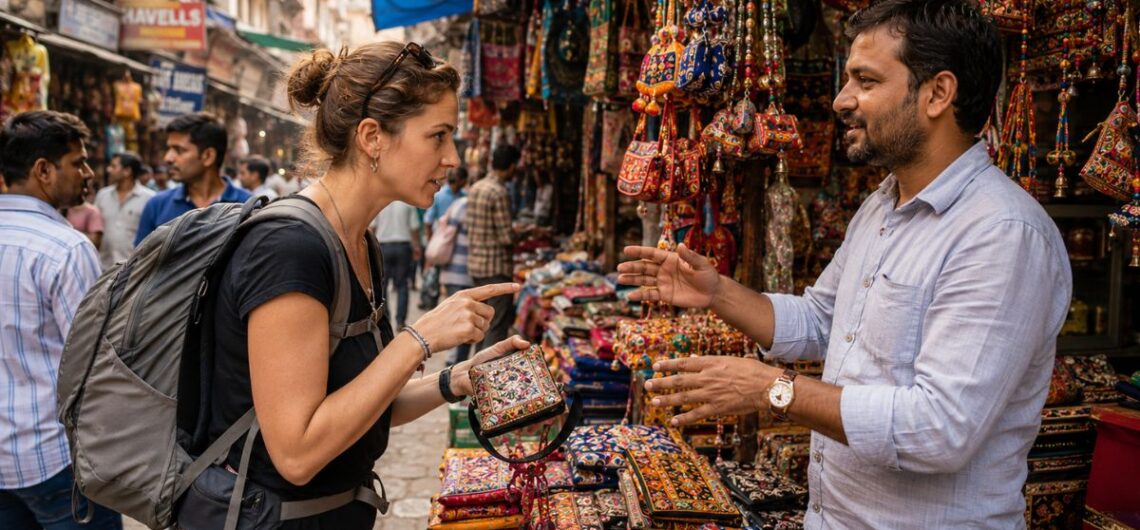
<p><strong>2. Negotiate, but fairly.</strong> Bargaining is normal at markets, with auto-rickshaws (where meters aren't used), and at some guesthouses. Don't over-bargain — getting a fair price is the goal, not the lowest possible price at the expense of someone's livelihood.</p>
<!-- /wp:paragraph -->
<!-- wp:paragraph -->
<p><strong>3. Get a local SIM card on day one.</strong> Jio and Airtel both offer excellent prepaid plans. A 28-day unlimited data + calling plan costs ₹200–₹400. You'll need your passport and a local address.</p>
<!-- /wp:paragraph -->
<!-- wp:paragraph -->
<p><strong>4. Download offline maps.</strong> Maps.me or Google Maps offline saves you roaming data and helps when internet is patchy in rural areas.</p>
<!-- /wp:paragraph -->
<!-- wp:paragraph -->
<p><strong>5. Carry a filtered water bottle.</strong> Reusable filtered bottles (like LifeStraw or Sawyer) pay for themselves quickly. Bottled water costs ₹20–₹30 per 1L — over 2 weeks that adds up. More importantly, it reduces plastic waste.</p>
<!-- /wp:paragraph -->
<!-- wp:paragraph -->
<p><strong>6. Don't book too far ahead.</strong> Outside of peak festival season, India's accommodation can largely be found on arrival. Over-planning limits flexibility and sometimes leads to cancellation fees.</p>
<!-- /wp:paragraph -->
<!-- wp:paragraph -->
<p><strong>7. Learn five Hindi phrases.</strong> <em>Kitna hai?</em> (How much?), <em>Maaf kijiye</em> (Excuse me/Sorry), <em>Dhanyavaad</em> (Thank you), <em>Haan/Nahi</em> (Yes/No), <em>Ek aur chai</em> (One more tea) — these will take you far.</p>
<!-- /wp:paragraph -->
<!-- wp:image {"id":5777,"sizeSlug":"large","linkDestination":"none"} -->
<figure class="wp-block-image size-large"><img src="https://www.indiatravelbear.com/wp-content/uploads/2026/05/varanasi-ghats-budget-travel-sunset-1024x597.jpg" alt="Budget travelers enjoying sunset at Varanasi ghats with colorful boats on the Ganges River, backpackers taking photos, and vibrant Indian cultural heritage." class="wp-image-5777"/></figure>
<!-- /wp:image -->
<!-- wp:heading -->
<h2 class="wp-block-heading" id="h-common-budget-travel-mistakes-to-avoid">Common Budget Travel Mistakes to Avoid</h2>
<!-- /wp:heading -->
<!-- wp:paragraph -->
<p><strong>Booking the first accommodation you see near the station.</strong> These are often overpriced tourist traps. Walk or take a short auto ride into the actual town and you'll find much better value.</p>
<!-- /wp:paragraph -->
<!-- wp:paragraph -->
<p><strong>Eating every meal in your hostel.</strong> Hostel kitchens and cafes are convenient but usually 30–50% more expensive than eating local. Explore the neighborhood.</p>
<!-- /wp:paragraph -->
<!-- wp:paragraph -->
<p><strong>Taking prepaid taxis at the airport without comparing.</strong> The official prepaid counters are safe but sometimes pricier than Ola/Uber. Check the app fare before committing.</p>
<!-- /wp:paragraph -->
<!-- wp:paragraph -->
<p><strong>Paying tourist prices at monuments without checking.</strong> Many monuments have different ticket counters for Indian nationals and foreigners — and often a cheaper student rate with an ID. Always ask.</p>
<!-- /wp:paragraph -->
<!-- wp:paragraph -->
<p><strong>Over-packing.</strong> Every kilo you carry costs you in energy, excess baggage fees, and auto charges for heavy luggage. India has cheap laundry services (₹80–₹150 per kg of wash-and-fold).</p>
<!-- /wp:paragraph -->
<!-- wp:paragraph -->
<p><strong>Ignoring second-class train travel.</strong> Many first-timers immediately book 2AC or 1AC trains. 3AC is perfectly comfortable for most travelers, costs half as much, and gives you a more authentic experience.</p>
<!-- /wp:paragraph -->
<!-- wp:heading -->
<h2 class="wp-block-heading" id="h-suggested-budget-itineraries">Suggested Budget Itineraries</h2>
<!-- /wp:heading -->
<!-- wp:heading {"level":3} -->
<h3 class="wp-block-heading" id="h-north-india-budget-route-10-14-days">North India Budget Route (10–14 Days)</h3>
<!-- /wp:heading -->
<!-- wp:paragraph -->
<p><strong>Delhi → Agra → Jaipur → Pushkar → Jodhpur → Jaisalmer</strong></p>
<!-- /wp:paragraph -->
<!-- wp:list -->
<ul class="wp-block-list"><!-- wp:list-item -->
<li>Estimated total cost (solo, budget): ₹14,000–₹20,000</li>
<!-- /wp:list-item -->
<!-- wp:list-item -->
<li>Best transport: Indian Railways + overnight buses in Rajasthan</li>
<!-- /wp:list-item -->
<!-- wp:list-item -->
<li>Highlights: Taj Mahal, Amber Fort, Mehrangarh Fort, Thar Desert camp</li>
<!-- /wp:list-item --></ul>
<!-- /wp:list -->
<!-- wp:paragraph -->
<p>This is one of the most popular routes for first-timers. India Travel Bear specialises in exactly this stretch — their <a href="https://www.indiatravelbear.com/golden-triangle-tour-packages/">Golden Triangle Tour Packages</a> cover Delhi, Agra, and Jaipur with flexible durations and private vehicles, which can be more affordable than you'd expect once you factor in shared taxi costs.</p>
<!-- /wp:paragraph -->
<!-- wp:heading {"level":3} -->
<h3 class="wp-block-heading" id="h-south-india-budget-route-10-14-days">South India Budget Route (10–14 Days)</h3>
<!-- /wp:heading -->
<!-- wp:paragraph -->
<p><strong>Chennai → Mahabalipuram → Pondicherry → Hampi → Gokarna → Goa</strong></p>
<!-- /wp:paragraph -->
<!-- wp:list -->
<ul class="wp-block-list"><!-- wp:list-item -->
<li>Estimated total cost (solo, budget): ₹12,000–₹18,000</li>
<!-- /wp:list-item -->
<!-- wp:list-item -->
<li>Best transport: overnight buses (KSRTC) + a couple of short flights</li>
<!-- /wp:list-item -->
<!-- wp:list-item -->
<li>Highlights: Shore Temple, French Quarter, Virupaksha Temple, Kudle Beach</li>
<!-- /wp:list-item --></ul>
<!-- /wp:list -->
<!-- wp:paragraph -->
<p>South India is underrated for budget travelers. Accommodation is cheaper than the north, food is even cheaper, and the cultural heritage is extraordinary.</p>
<!-- /wp:paragraph -->
<!-- wp:heading {"level":3} -->
<h3 class="wp-block-heading" id="h-golden-triangle-on-a-budget-5-7-days">Golden Triangle on a Budget (5–7 Days)</h3>
<!-- /wp:heading -->
<!-- wp:paragraph -->
<p><strong>Delhi → Agra → Jaipur → Delhi</strong></p>
<!-- /wp:paragraph -->
<!-- wp:list -->
<ul class="wp-block-list"><!-- wp:list-item -->
<li>Estimated total cost (solo, budget): ₹8,000–₹12,000</li>
<!-- /wp:list-item -->
<!-- wp:list-item -->
<li>Best transport: trains throughout</li>
<!-- /wp:list-item -->
<!-- wp:list-item -->
<li>Highlights: Red Fort, Taj Mahal, Amber Fort, Hawa Mahal</li>
<!-- /wp:list-item --></ul>
<!-- /wp:list -->
<!-- wp:paragraph -->
<p>This is ideal for travelers with limited time. It's well-connected, has excellent hostel infrastructure, and covers three genuinely unmissable cities. India Travel Bear's <a href="https://www.indiatravelbear.com/golden-triangle-tour-packages/">Golden Triangle Tours</a> are particularly popular for this route — they handle all the logistics so you can focus on actually enjoying the trip.</p>
<!-- /wp:paragraph -->
<!-- wp:heading -->
<h2 class="wp-block-heading" id="h-essential-apps-for-budget-travel-in-india">Essential Apps for Budget Travel in India</h2>
<!-- /wp:heading -->
<!-- wp:paragraph -->
<p>These apps will make your trip noticeably smoother:</p>
<!-- /wp:paragraph -->
<!-- wp:table -->
<figure class="wp-block-table"><table class="has-fixed-layout"><thead><tr><th>App</th><th>Purpose</th><th>Why It's Useful</th></tr></thead><tbody><tr><td><strong>IRCTC Rail Connect</strong></td><td>Train booking</td><td>Official app; mandatory for tatkal bookings</td></tr><tr><td><strong>Ixigo</strong></td><td>Flights + trains</td><td>Great price comparison and PNR tracking</td></tr><tr><td><strong>RedBus</strong></td><td>Bus booking</td><td>India's largest bus booking platform</td></tr><tr><td><strong>Ola / Uber</strong></td><td>City transport</td><td>Metered rides, widely available</td></tr><tr><td><strong>Zomato / Swiggy</strong></td><td>Food discovery</td><td>Useful for finding good local restaurants nearby</td></tr><tr><td><strong>MakeMyTrip / Goibibo</strong></td><td>Hotels + flights</td><td>Best for last-minute hotel deals</td></tr><tr><td><strong>Google Maps</strong></td><td>Navigation</td><td>Works offline; now shows metro and bus routes</td></tr><tr><td><strong>Maps.me</strong></td><td>Offline navigation</td><td>Better than Google Maps in rural areas</td></tr><tr><td><strong>Paytm / PhonePe / GPay</strong></td><td>Payments</td><td>UPI payments accepted almost everywhere now</td></tr><tr><td><strong>Zostel / Hostelworld</strong></td><td>Hostel booking</td><td>Best for finding budget dorms</td></tr></tbody></table></figure>
<!-- /wp:table -->
<!-- wp:heading -->
<h2 class="wp-block-heading" id="h-frequently-asked-questions">Frequently Asked Questions</h2>
<!-- /wp:heading -->
<!-- wp:paragraph -->
<p><strong>Can you travel India on ₹1,000 per day?</strong> Yes, it's possible — especially if you stay in dorms, eat at local dhabas, use public transport, and stick to free attractions. In smaller towns like Hampi, Pushkar, or Rishikesh, ₹1,000 per day is very manageable. In metro cities like Mumbai or Delhi, it's tight but doable if you're strategic.</p>
<!-- /wp:paragraph -->
<!-- wp:paragraph -->
<p><strong>What is the cheapest way to travel between cities in India?</strong> Sleeper-class trains (SL) are almost always the cheapest option for distances over 200 km. State buses and overnight private sleeper buses are the next cheapest. Budget flights booked 4–6 weeks in advance can sometimes compete on price when time is a factor.</p>
<!-- /wp:paragraph -->
<!-- wp:paragraph -->
<p><strong>Which cities are best for budget travelers in India?</strong> Hampi, Pushkar, Rishikesh, Varanasi, Gokarna, and Varkala consistently top the list. Among major cities, Jaipur and Kolkata offer the best value. Mumbai and Delhi are more expensive but still have budget options if you know where to look.</p>
<!-- /wp:paragraph -->
<!-- wp:paragraph -->
<p><strong>Is India good for backpacking?</strong> Absolutely. India has a long, well-established backpacker trail with excellent hostel infrastructure, cheap food, and incredible variety. The challenges — noise, crowds, occasional scams — are real but manageable with some preparation. Most backpackers find India to be the most intense and rewarding destination they've ever visited.</p>
<!-- /wp:paragraph -->
<!-- wp:paragraph -->
<p><strong>How much does a 7-day India trip cost?</strong> A solo budget traveler can cover a 7-day trip through North India for approximately ₹9,000–₹13,000 (including accommodation, food, transport, and entry fees), excluding international flights. A comfortable mid-range trip would cost ₹18,000–₹30,000. If you're visiting the Taj Mahal, browsing <a href="https://www.indiatravelbear.com/taj-mahal-tours/">Taj Mahal Tours by India Travel Bear</a> can help you find an Agra day-trip option that bundles transport and entry affordably.</p>
<!-- /wp:paragraph -->
<!-- wp:paragraph -->
<p><strong>Is it safe to travel India solo on a budget?</strong> Yes, India is a safe destination for most solo travelers — Indian and international alike. Common-sense precautions apply: keep valuables secure, trust your instincts, avoid poorly lit areas at night, and use app-based transport rather than unmarked cabs. Solo female travelers should additionally research destination-specific safety tips and consider joining travel groups or staying at social hostels.</p>
<!-- /wp:paragraph -->
<!-- wp:paragraph -->
<p><strong>What is the best season to travel India on a budget?</strong> February–March and September–October offer the best combination of good weather and moderate prices. The monsoon months (June–September) are cheapest but bring travel disruptions in some regions.</p>
<!-- /wp:paragraph -->
<!-- wp:paragraph -->
<p><strong>Do I need a visa to travel India?</strong> International travelers from most countries need a visa. India's e-Visa system allows online application and is valid for tourism, arriving at major airports and seaports. It typically takes 72 hours to process and costs USD 25–80 depending on your nationality and duration. Always check the official Indian government e-Visa portal for the most current requirements.</p>
<!-- /wp:paragraph -->
<!-- wp:paragraph -->
<p><strong>Is street food in India safe to eat?</strong> Street food is generally safe when it's freshly cooked and served hot. Hundreds of millions of people eat street food across India every day. The key is to observe hygiene at the stall, avoid raw items like salads from street vendors, and start with small portions when your stomach is adjusting to new flavors and spices.</p>
<!-- /wp:paragraph -->
<!-- wp:paragraph -->
<p><strong>Can I use UPI or card payments everywhere in India?</strong> <a href="https://www.npci.org.in/product/upi">Digital payments via UPI</a> (Google Pay, PhonePe, Paytm) have become widespread even in small towns and villages. Most restaurants, shops, and auto drivers now accept UPI QR codes. However, always carry some cash for emergencies, rural areas, small transactions, and places that haven't upgraded yet.</p>
<!-- /wp:paragraph -->
<!-- wp:heading -->
<h2 class="wp-block-heading" id="h-final-thoughts">Final Thoughts</h2>
<!-- /wp:heading -->
<!-- wp:paragraph -->
<p>Traveling India on a small budget isn't just possible — it's often the most rewarding way to do it. The best experiences here rarely come with a price tag: a chai conversation with a stranger at a railway platform, watching the sun rise over the Ganges, cycling past ancient temples in Hampi, or stumbling on a folk music performance in a village square.</p>
<!-- /wp:paragraph -->
<!-- wp:paragraph -->
<p>The country asks for patience, flexibility, and a sense of humor. In return, it gives you stories you'll tell for the rest of your life.</p>
<!-- /wp:paragraph -->
<!-- wp:paragraph -->
<p>Start small if it's your first time. Plan one region deeply rather than trying to see everything at once. Give yourself buffer days for unplanned detours — they almost always lead somewhere better than what you originally booked.</p>
<!-- /wp:paragraph -->
<!-- wp:paragraph -->
<p>If you want expert help planning the Taj Mahal, Golden Triangle, or a broader North India itinerary without overspending, <a href="https://www.indiatravelbear.com/">India Travel Bear</a> is a Delhi-based travel company with a strong reputation (5 stars on TripAdvisor) and transparent pricing — worth a look before you finalise your bookings.</p>
<!-- /wp:paragraph -->
<!-- wp:paragraph -->
<p>And remember: the India that most people fall in love with isn't the one in the glossy brochures. It's the chaotic, colorful, maddening, magnificent real thing — and almost all of it is accessible on a budget.</p>
<!-- /wp:paragraph -->
<!-- wp:paragraph -->
<p><em>Have questions about planning your India trip? Drop them in the comments below — real travelers share real advice here.</em></p>
<!-- /wp:paragraph -->
<!-- wp:heading -->
<h2 class="wp-block-heading" id="h-explore-more-from-india-travel-bear">Explore More from India Travel Bear</h2>
<!-- /wp:heading -->
<!-- wp:paragraph -->
<p><em>Planning your India trip? These guides from our blog will help you go deeper on every part of your journey.</em></p>
<!-- /wp:paragraph -->
<!-- wp:heading {"level":3} -->
<h3 class="wp-block-heading" id="h-experiencing-india-s-festivals-on-a-budget"> Experiencing India's Festivals on a Budget</h3>
<!-- /wp:heading -->
<!-- wp:paragraph -->
<p>India's festival calendar is one of the best reasons to plan your trip carefully. If Holi is on your list, Mathura and Vrindavan offer the most authentic celebrations in the country — color-drenched streets, centuries-old rituals, and a crowd energy unlike anything else.</p>
<!-- /wp:paragraph -->
<!-- wp:paragraph -->
<p>👉 <a href="https://www.indiatravelbear.com/holi-in-mathura-vrindavan-travel-guide/">Celebrate Holi in Mathura Vrindavan 2026 – Complete Travel Guide</a></p>
<!-- /wp:paragraph -->
<!-- wp:heading {"level":3} -->
<h3 class="wp-block-heading" id="h-solo-female-travel-safest-cities-in-india"> Solo Female Travel: Safest Cities in India</h3>
<!-- /wp:heading -->
<!-- wp:paragraph -->
<p>Solo female travelers often ask us which Indian cities feel genuinely safe and welcoming. We've covered this in detail — from which neighbourhoods to pick, to which hostels have the best community, to what to watch out for in each region.</p>
<!-- /wp:paragraph -->
<!-- wp:paragraph -->
<p>👉 <a href="https://www.indiatravelbear.com/safe-destinations-india-for-women-travellers/">Top 10 Safe Destinations in India for Women Travellers (2026)</a></p>
<!-- /wp:paragraph -->
<!-- wp:heading {"level":3} -->
<h3 class="wp-block-heading" id="h-first-time-in-varanasi-read-this-first"> First Time in Varanasi? Read This First</h3>
<!-- /wp:heading -->
<!-- wp:paragraph -->
<p>Varanasi is unlike any other city on earth. The ghats, the Ganga Aarti, the labyrinthine old city lanes — it's deeply rewarding but can feel overwhelming without a little preparation. Our first-timer's guide tells you exactly what to prioritise, what to skip, and how to make the most of your time here.</p>
<!-- /wp:paragraph -->
<!-- wp:paragraph -->
<p>👉 <a href="https://www.indiatravelbear.com/tourist-places-in-varanasi/">Tourist Places in Varanasi – A First-Time Traveler's Real Experience Guide (2026)</a></p>
<!-- /wp:paragraph -->
<!-- wp:heading {"level":3} -->
<h3 class="wp-block-heading" id="h-visiting-agra-don-t-wing-it"> Visiting Agra? Don't Wing It</h3>
<!-- /wp:heading -->
<!-- wp:paragraph -->
<p>Agra looks straightforward on paper — Taj Mahal, Agra Fort, done. But most first-timers either rush through it or spend too long in one place. Our one-day Agra itinerary maps out the perfect sequence, including when to arrive at the Taj for the best light and crowd situation.</p>
<!-- /wp:paragraph -->
<!-- wp:paragraph -->
<p>👉 <a href="https://www.indiatravelbear.com/agra-one-day-itinerary/">Agra One Day Itinerary: Seeing the Taj Mahal and the City Without Rushing</a></p>
<!-- /wp:paragraph -->
<!-- wp:heading {"level":3} -->
<h3 class="wp-block-heading" id="h-how-to-bargain-in-indian-markets-without-feeling-awkward"> How to Bargain in Indian Markets (Without Feeling Awkward)</h3>
<!-- /wp:heading -->
<!-- wp:paragraph -->
<p>Negotiating prices is a normal, expected part of shopping in India — but there's an art to doing it well without being rude or getting ripped off. This guide covers the unwritten rules, the common tourist mistakes, and the markets where bargaining actually gets you somewhere.</p>
<!-- /wp:paragraph -->
<!-- wp:paragraph -->
<p>👉 <a href="https://www.indiatravelbear.com/how-to-bargain-in-indian-markets/">How to Bargain in Indian Markets Without Overpaying – Simple Tips for Tourists</a></p>
<!-- /wp:paragraph -->
<!-- wp:heading {"level":3} -->
<h3 class="wp-block-heading" id="h-not-sure-when-to-visit-india"> Not Sure When to Visit India?</h3>
<!-- /wp:heading -->
<!-- wp:paragraph -->
<p>The right travel window changes everything — prices, crowds, weather, and what's even accessible. Our seasonal guide breaks down every region of India month by month so you can time your trip for the best combination of good weather and lower costs.</p>
<!-- /wp:paragraph -->
<!-- wp:paragraph -->
<p>👉 <a href="https://www.indiatravelbear.com/best-time-to-visit-india/">Best Time to Visit India in 2026 – Weather, Seasons & Travel Tips</a></p>
<!-- /wp:paragraph -->
<!-- wp:heading {"level":3} -->
<h3 class="wp-block-heading" id="h-add-a-tiger-safari-to-your-rajasthan-loop"> Add a Tiger Safari to Your Rajasthan Loop</h3>
<!-- /wp:heading -->
<!-- wp:paragraph -->
<p>If you're doing the North India circuit through Jaipur and Pushkar, Ranthambore fits perfectly in between — and a jeep safari costs far less than most people expect. The tricky part is booking the right zone in advance. We've laid out exactly how to do it.</p>
<!-- /wp:paragraph -->
<!-- wp:paragraph -->
<p> <a href="https://www.indiatravelbear.com/ranthambore-safari-booking-guide/">Ranthambore Safari Booking Guide – Zones, Price & Tips (2026)</a></p>
<!-- /wp:paragraph -->
<!-- wp:paragraph -->
<p><em>Have questions about your India itinerary? <a href="https://www.indiatravelbear.com/contact/">Contact the India Travel Bear team</a> — we've been helping travelers plan India trips since 2015.</em></p>
<!-- /wp:paragraph -->
<!-- wp:heading -->
<h2 class="wp-block-heading" id="h-experience-agra-after-sunset"><strong>Experience Agra After Sunset</strong></h2>
<!-- /wp:heading -->
<!-- wp:paragraph -->
<p>If you are planning to spend an evening in Agra, don't miss the <strong><a href="https://www.indiatravelbear.com/agra-fort-light-and-sound-show/">Agra Fort Light and Sound Show</a></strong>. This spectacular presentation brings the fort's history to life through lights, music, and storytelling, making it one of the most memorable experiences in the city after sunset.<br></p>
<!-- /wp:paragraph -->
India is one of those rare countries where you can have the trip of a lifetime without emptying your savings