
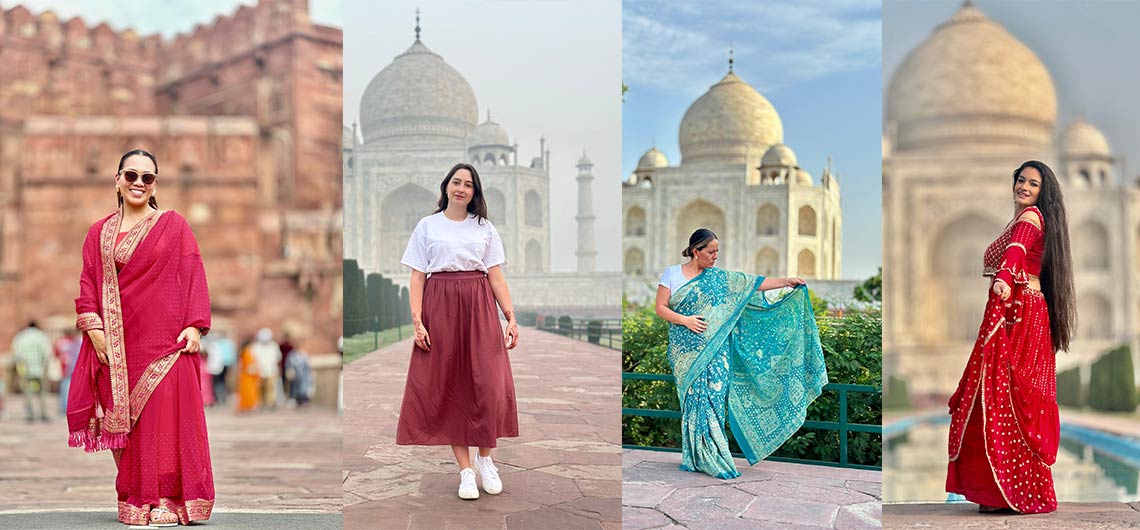
What to Wear at Taj Mahal, Temples & Forts Dress Code Guide for Travelers
Dressing for Heritage Sites in India
Planning a trip to India from the US or UK is an extraordinary adventure filled with rich history, vibrant cultures, and iconic architectural wonders. However, when preparing for your journeyespecially when visiting sacred monuments, royal palaces, and ancient religious sitespacking requires a thoughtful balance between personal comfort and cultural respect. Understanding local customs ensures that your experience remains smooth, respectful, and entirely hassle-free.
While major tourist hubs like Delhi, Agra, and Jaipur are accustomed to international visitors, India remains a deeply traditional society in many respects. Dressing modestly is not just about adhering to unspoken rules; it is a practical way to show respect to local traditions, protect your skin from the intense tropical sun, and invite warm, welcoming interactions with locals.
Cultural Norms vs. Western Expectations
In Western countries, fashion is largely driven by personal expression, comfort, and weather. In contrast, traditional Indian culture places a strong emphasis on modesty, particularly in sacred spaces, rural areas, and historical monuments.
- The Core Principle: Across most historical and religious sites in India, keeping your shoulders and knees covered is the standard expectation.
- Avoiding Unwanted Attention: Dressing conservatively helps you blend in smoothly, minimizing staring and allowing you to explore historical landmarks with peace of mind.
- Balancing Comfort and Tradition: Flowy, breathable, and loose-fitting silhouettes work exceptionally well. Tight-fitting clothing or very revealing outfits can feel uncomfortable in the heat and are generally discouraged in sacred environments.
Comprehensive Dress Code Breakdown by Location
The Taj Mahal & Mughal Forts (Agra Fort, Red Fort, Amber Fort)
The Taj Mahal is a world wonder and a mausoleum rather than an active place of worship. However, due to its global significance and cultural reverence, modest attire is expected.
- For Women: Maxi dresses, midi skirts that fall well below the knee, linen trousers, or traditional Indian tunics (Kurtis) paired with leggings or jeans. It is always wise to carry a lightweight scarf or shawl in your day bag to drape over your shoulders when needed.
- For Men: Lightweight chinos, breathable jeans, or cargo pants paired with T-shirts or casual collared shirts. Tank tops and sleeveless shirts are generally frowned upon inside historic and monument complexes.
Hindu Temples & Sacred Spaces
Hindu temples have strict rules regarding modesty. Many traditional sanctuaries will deny entry if your shoulders or knees are exposed.
- For Women: Salwar Kameez (a traditional matching tunic and trouser set), long maxi skirts, or loose trousers paired with a high-neck or modest top. In certain inner sanctums, carrying a traditional scarf (dupatta) to cover your head or chest is appreciated.
- For Men: Full-length trousers, jeans, or traditional kurtas. Shorts above the knee are strictly prohibited in most active temples. In some ultra-traditional temples, men may be required to remove their shirts or wear a traditional wrap (dhoti) before entering the innermost prayer halls.
Mosques and Islamic Monuments (Jama Masjid, Agra Fort Mosque)
When visiting active mosques, the dress code is typically more rigid.
- Both men and women must ensure their shoulders, arms, and legs are completely covered.
- Women are often required to cover their heads with a scarf upon entering mosque courtyards. Many tourist-heavy mosques provide rented robes or wraps at the entrance if your outfit does not meet requirements, but bringing your own lightweight scarf is much more convenient.
The Footwear Rules: Shoes Off Guide
Throughout your travels across Northern India, you will encounter numerous situations where removing your shoes is mandatory.
- Temples, Mosques, and Gurudwaras: Shoes must always be removed before stepping inside prayer halls, marble courtyards, or carpeted interiors. Many sites have designated shoe-keeping stands where you can leave your shoes for a nominal tipping fee or free of charge.
- The Taj Mahal Main Mausoleum: To protect the pristine, delicate white marble flooring of the central tomb, visitors must either remove their footwear or slip disposable fabric shoe covers over their shoes (these shoe covers are typically included free with high-value tickets).
- Pro Tip for Travelers: Wear slip-on shoes, loafers, or sturdy sandals that are quick and easy to take on and off. Always pack two pairs of clean cotton socks, as stone and marble floors can become intensely hot under the scorching afternoon sun or freezing cold during chilly winter mornings.
Weather-Appropriate Outfits for US & UK Tourists
India’s climate varies dramatically across seasons and regions. Packing fabrics suited to the exact time of year you are traveling will make or break your trip.
Summer & Peak Heat (April to July)
Temperatures in Delhi, Agra, and Rajasthan routinely soar past 40°C (104°F) with blazing sunshine.
- Fabrics: Opt strictly for 100% breathable cotton, lightweight linen, and chambray. Avoid synthetic fabrics like polyester or heavy nylon, which trap heat and cause excessive perspiration.
- Colors: Light, reflective colors such as white, beige, cream, and soft pastels help deflect the sun’s rays and keep you cool.
- Sun Protection: Pack a wide-brimmed sun hat, high-UV blocking sunglasses, and a cotton scarf to protect the back of your neck from sunburn during outdoor monument walks.
Monsoon Season (July to September)
High humidity, sudden downpours, and wet marble pathways characterize the monsoon months.
- Fabrics: Quick-drying synthetic blends or very lightweight cotton work best because they dry rapidly after a sudden shower. Avoid heavy denim jeans, which take hours to dry once soaked.
- Footwear: Waterproof sandals or sturdy walking shoes with reliable non-slip rubber grips for navigating wet, slick stone courtyards.
Winter & Cool Months (October to March)
Northern India (especially Delhi and Agra) can get surprisingly chilly and foggy during early mornings and late evenings, with temperatures dropping between 5°C and 12°C.
- Outfits: Layering is absolute key. Pack cozy sweaters, cardigans, a reliable travel jacket or fleece, and a warm scarf or beanieespecially for early morning sunrise visits to the Taj Mahal when the morning chill sets in.
Ultimate Packing Checklist for Western Travelers
To help you organize your luggage efficiently, here is a complete packing list tailored for a 1-to-2-week trip covering Delhi, Agra, and Rajasthan:
- Bottoms: 2–3 breathable linen or cotton trousers, loose palazzos, or lightweight cotton jeans.
- Tops: 3–4 modest short-sleeve or three-quarter sleeve cotton shirts or tunics.
- Dresses: 1–2 maxi dresses or long skirts that fall below the knee.
- Accessories: 2 lightweight cotton scarves or shawls (essential for multi-purpose temple modesty and sun protection).
- Footwear: 1 pair of broken-in walking sneakers for long fort explorations, 1 pair of easy slip-on sandals.
- Socks: 2–3 pairs of clean cotton socks for walking barefoot on hot or cold temple floors.
Conclusion
Dressing for India as a Western traveler does not mean sacrificing your personal style. By embracing breathable fabrics, keeping a light scarf handy, and respecting local footwear customs, you will stay completely comfortable under any weather condition. Packing with cultural mindfulness ensures that your journey through the Taj Mahal, ancient temples, and majestic forts is smooth, respectful, and profoundly memorable.
Comments