
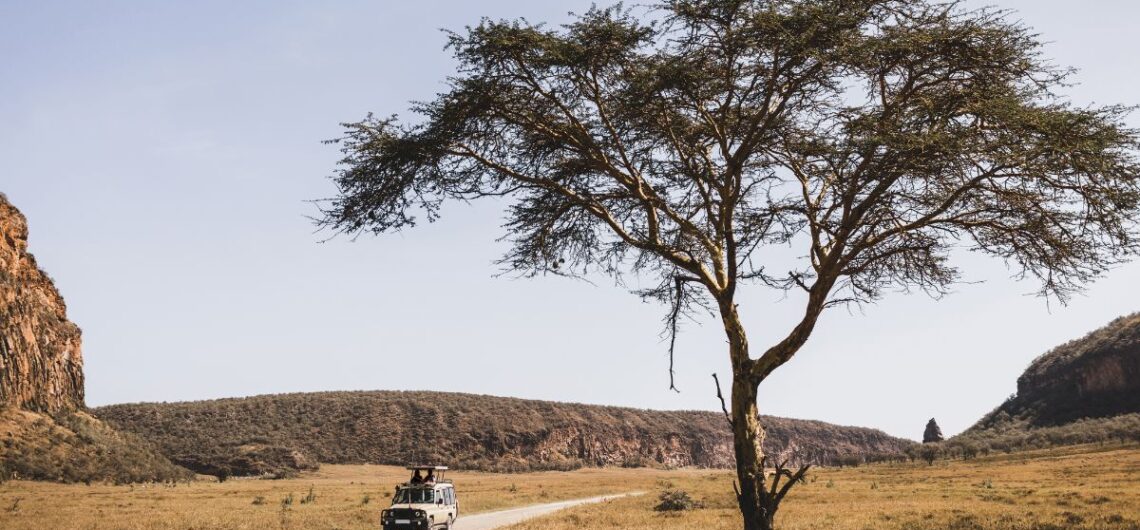
Have you ever dreamed of spotting a wild tiger in its natural habitat? Ranthambore National Park in Rajasthan, India, is one of the best places in the world to make that dream come true. But here’s the thing — if you don’t plan your safari booking carefully, you might end up missing out on permits entirely, especially during peak season. That’s why having a solid Ranthambore Safari Booking Guide is so important before you pack your bags.
In this guide, you’ll learn everything you need to know — from understanding the different safari zones and prices to how to book your safari online, what timing works best, and expert tips to maximise your chances of seeing a tiger. Whether you’re a first-time visitor or someone who’s been planning this trip for years, this guide will help you navigate the booking process like a pro.
About Ranthambore National Park
Ranthambore National Park is located in the Sawai Madhopur district of Rajasthan and covers over 1,300 square kilometres of forest. It sits at the junction of the Aravalli and Vindhya hill ranges, making it a dramatic and diverse landscape of rocky ridges, open grasslands, and lakes.
The park was declared a wildlife sanctuary in 1955 and later became part of Project Tiger in 1973. Today, it is home to around 70–80 Bengal tigers, along with leopards, sloth bears, crocodiles, sambars, nilgai, and over 300 species of birds. The famous Ranthambore Fort, a UNESCO World Heritage Site, stands inside the park and adds a rare historical backdrop to your wildlife safari experience.
Because of its relatively open terrain compared to other Indian forests, Ranthambore gives visitors much better visibility and higher chances of tiger sightings — which is why it remains one of the most popular tiger reserves in the country.
Understanding Ranthambore Safari Zones
One of the first things you need to understand in any Ranthambore National Park Zones Guide is that the park is divided into ten numbered zones. These zones are split into two categories — Core Zones and Buffer Zones — each offering a different kind of safari experience.
Core Zones (Zones 1 to 5)
The core zones are the heart of Ranthambore. These areas have the highest density of tigers and the best-preserved forest cover. Zone 1 covers the area around Bhakola and is generally considered moderate for tiger sightings. Zone 2 is near the famous Rajbagh lake and is excellent for spotting tigers near water. Zone 3 and Zone 4 are widely regarded as the best zones in Ranthambore for tiger sighting — they cover the scenic Padam Talao lake area and the Jogi Mahal region, where tigers are frequently seen. Zone 5 is around the Malik Talao area and is also known for strong wildlife activity.
Core zones are strictly regulated by the government. Only a fixed number of vehicles are allowed per zone per safari session, which ensures minimal disturbance to the animals and a more exclusive experience for visitors.
Buffer Zones (Zones 6 to 10)
Buffer zones form the outer ring of the park. These include areas like Kachida Valley (Zone 6), Anantpura (Zone 7), Rajpura (Zone 8), Umri (Zone 9), and Phuta Kot (Zone 10). While tiger sightings in these zones are less frequent than in the core areas, the buffer zones have their own charm. You’re more likely to see leopards, sloth bears, and a rich variety of bird species here. The landscape is also different — denser, greener, and wilder.
Another advantage of buffer zones is that more vehicles are allowed per session, making it slightly easier to get a permit during peak season. Many wildlife enthusiasts who’ve been denied a core zone permit still have a wonderful experience in the buffer zones.
Jeep Safari vs Canter Safari — Which One Should You Choose?
The Ranthambore Jeep Safari Booking and Ranthambore Canter Safari Booking are the two official ways to explore the park, and each has its own pros and cons.
Jeep Safari
A jeep safari uses a Gypsy (6-seater 4×4 vehicle) and allows smaller groups for a more intimate wildlife experience. The jeep can navigate narrower tracks and stop more easily when a tiger is spotted, giving you better photographic opportunities. This is the preferred choice for serious wildlife photographers and those who want a personalised safari. Because of limited seating, jeep safaris get booked up very quickly, especially for core zones.
Canter Safari
A canter is a large open bus that accommodates up to 20 passengers. It’s a more budget-friendly option and is a great choice for families or larger groups. While the experience is slightly less flexible compared to a jeep, canters cover good distances and offer a comfortable ride. Canter safaris are available only in core zones and are a popular choice for first-time visitors who want to experience Ranthambore without spending too much.
Ranthambore Safari Price 2026
Understanding the Ranthambore Safari Cost India before booking helps you plan your budget without any surprises.
Jeep Safari Price
For Indian nationals, the jeep safari (Gypsy) price for core zones is approximately ₹1,900 to ₹2,100 per seat per safari session. This includes the vehicle fee, guide charges, and park entry fees. For foreign tourists, the price is higher — typically around ₹4,500 to ₹5,500 per seat, given the additional foreigner entry fee charged by the government.
Canter Safari Price
For Indian visitors, canter safari tickets for core zones are priced around ₹900 to ₹1,100 per person per session. For foreign nationals, the price goes up to approximately ₹2,500 to ₹3,500 per seat, depending on the zone and session.
Buffer Zone Pricing
Buffer zone safaris are generally cheaper than core zones. Indian visitors can expect to pay around ₹1,200 to ₹1,500 per seat for a jeep in a buffer zone, while canters in buffer zones are priced around ₹600 to ₹800 per seat.
Note: Prices are approximate figures for 2026 and may vary slightly based on government updates. Always check the official Ranthambore booking portal for the latest confirmed rates before booking.
Ranthambore Safari Timing
Knowing the Ranthambore Safari Timing is just as important as knowing which zone to book. There are two safari sessions per day:
Morning Safari runs from approximately 6:30 AM to 10:00 AM (timings shift slightly by season). This is the most popular session because tigers are most active in the early hours when temperatures are lower. Animals come to waterholes, and visibility is sharp in the golden morning light.
Evening Safari runs from approximately 2:30 PM to 6:00 PM (again, seasonally adjusted). While slightly less popular, the evening session also produces excellent sightings — especially near lakes and open meadows where tigers come to drink water before dusk.
Best Time to Visit Ranthambore
The park is open from October to June and remains closed during the monsoon months (July to September). The best time to visit Ranthambore for tiger sightings is from November to March, when the weather is cool and comfortable. April and May are also excellent for sightings because the dry summer heat forces tigers to visit water sources more frequently, making them easier to spot. February and March are considered peak months, so book well in advance.
How to Book Ranthambore Safari Online
The Ranthambore Safari Booking Online process is managed through the Rajasthan Forest Department’s official portal. Here is how you can do it step by step.
First, visit the official website: ranthambhoresafari.rajasthan.gov.in. Create an account by registering with your email ID and phone number. Once logged in, select your preferred date, zone, shift (morning or evening), and vehicle type (jeep or canter).
Next, enter the details of all travellers — name, age, and ID proof type. Indian nationals need to enter their Aadhaar card or any government-issued photo ID. Foreign tourists must enter their passport details.
After filling in traveller details, proceed to payment. The portal accepts credit cards, debit cards, net banking, and UPI. Once payment is successful, you’ll receive an e-ticket that you must carry (printed or on your phone) on the day of your safari.
Important: Bookings for core zones open 90 days in advance and often sell out within minutes for popular dates. It’s highly recommended to log in exactly when the booking window opens to secure your preferred zone. If you’re unable to get a core zone permit, check the buffer zone availability, which opens a bit later and usually has more slots.
Core Zones vs Buffer Zones — A Clear Breakdown
This is one of the most common questions first-time visitors have, so it’s worth explaining clearly.
Core zones (1–5) are deep inside the park where tiger density is highest. The forest department strictly limits the number of vehicles allowed in these zones. These zones have better road infrastructure for safaris, and the terrain is more open, which means better sightings when tigers do appear. The downside is that permits are harder to get, and prices are higher.
Buffer zones (6–10) are the outer areas that act as a transition between the protected core and human-inhabited areas outside. While the chances of seeing tigers are lower here, you’ll encounter a wider variety of wildlife including leopards, jackals, wild boars, blue bulls, and a stunning array of birds. These zones also have a more immersive jungle atmosphere — denser trees, fewer tourists, and a raw, undisturbed energy that many wildlife lovers actually prefer.
If you’re on a multi-day trip, the ideal strategy is to book at least one core zone session and one buffer zone session, giving you the best of both worlds.

Tips for Ranthambore Safari Booking
Planning ahead is everything when it comes to a successful Ranthambore trip. Here are some practical tips to help you navigate the booking process smoothly.
Book your safaris at least 2 to 3 months in advance, especially if you’re planning to visit between November and March. Keep your login credentials ready and try to be online right when the 90-day advance booking window opens. If you’re a group traveller, split into smaller groups of 4–6 people so you can book multiple jeep seats without issues.
Always carry a valid government-issued photo ID on the day of the safari — the one you registered with at the time of booking. The forest department verifies IDs at the entry gate, and a mismatch can result in denied entry without any refund. Download and keep your e-ticket saved offline in case of poor mobile connectivity near the park.
If you’re unable to book online due to high demand, consider reaching out to government-empanelled safari operators in Sawai Madhopur who sometimes have access to last-minute or cancelled permits. Avoid touts and unauthorised agents, as fake bookings have been reported.
How to Increase Tiger Sighting Chances
Every visitor hopes to spot a tiger during their Ranthambore Tiger Safari Booking, and while there’s no guaranteed formula, certain strategies significantly improve your odds.
Choose Zone 3 or Zone 4 for core zone safaris — these are historically the most productive zones for tiger sightings, especially near the Padam Talao and Jogi Mahal areas. Opt for a morning safari rather than an evening one, as tigers tend to be more active and visible in the cooler early hours.
Visit during the summer months of April and May if your schedule allows. During this time, the dry heat forces tigers and other animals to gather near waterholes, making sightings almost predictable at certain locations. The vegetation is also thinner, which improves visibility across longer distances.
Stay silent during the safari and listen to your guide and the jungle sounds. Alarm calls from spotted deer, langurs, and peacocks often signal a predator’s presence nearby. An experienced guide who knows the territory can pick up on these cues and position the vehicle at the right spot before the tiger even becomes visible.
Frequently Asked Questions
Q1. How many days in advance can I book a Ranthambore safari?
You can book core zone safaris up to 90 days in advance through the official government portal. Buffer zone safaris also open in advance but typically have more availability.
Q2. Is there a difference in safari prices for Indians and foreign tourists?
Yes. Foreign tourists are charged higher entry fees at Indian national parks, which includes Ranthambore. The price difference is significant — foreign visitors typically pay 2 to 3 times more than Indian nationals per seat.
Q3. Which is the best zone in Ranthambore for tiger sighting?
Zones 3 and 4 are consistently regarded as the best zones for tiger sightings, particularly around the Padam Talao lake area. Zone 2 near Rajbagh lake is also highly recommended.
Q4. Can I book a Ranthambore safari without a guide?
No. All safari vehicles — whether jeep or canter — must have a licensed forest guide assigned by the forest department. Independent entry into the safari zones without a guide is not permitted.
Conclusion
Ranthambore is not just a national park — it’s an experience that stays with you long after you leave. The sight of a tiger walking through the golden morning light, the sound of the jungle waking up around you, and the ancient Ranthambore Fort peering over the treetops… it’s the kind of memory you don’t forget easily.
But to have that experience, preparation is key. Now that you have a complete Ranthambore Safari Booking Guide in your hands — covering zones, prices, timings, and online booking steps — you’re ready to plan your visit with confidence. Book early, choose your zones wisely, and go in with curiosity and patience. The jungle has a way of rewarding those who respect it.
Happy safari! 🐯
🐯 Ready to Experience Ranthambore? Let Us Plan It for You!
Spotting a tiger in the wild is one thing — but doing it as part of a perfectly planned, stress-free trip is a whole different experience.
Permit confusion, zone selection, hotel booking, transport — managing it all on your own can be overwhelming. That’s exactly where we come in.
Book your Ranthambore trip with India Travel Bear and get:
- ✅ Guaranteed Safari Permits — Priority booking in Core Zones
- ✅ Expert Local Guide — Someone who knows every trail, every sound, every tiger
- ✅ Handpicked Stays — From budget-friendly guesthouses to luxury jungle resorts
- ✅ Completely Hassle-Free — You just show up and enjoy, we handle everything else
“Don’t just visit Ranthambore — experience it the right way. Every detail taken care of, every moment worth it.”
👇 Book Your Ranthambore Tour Now — Limited Seats Available!
🔗 CLICK HERE TO BOOK YOUR RANTHAMBORE TOUR
You Might Also Like
Complete Ranthambore Travel Guide Everything beyond the booking — where to stay, how to get there, what to pack, and the Ranthambore Fort inside the park. 👉 Complete Travel Guide to Ranthambore National Park (2026)
Golden Triangle + Tiger Safari Jaipur is just 3 hours from Sawai Madhopur. Here’s how the classic Golden Triangle combines perfectly with a Ranthambore safari. 👉 Golden Triangle with Tiger Safari – Wildlife Adventure Meets Royal Heritage
Best Rajasthan Packages for First-Timers Not sure which Rajasthan cities to pair with Ranthambore? This guide helps you build the right route. 👉 Best Rajasthan Tour Packages for First-Time Visitors
Best Time to Visit Rajasthan Safari season and Rajasthan travel season don’t always match. Find out when to go based on your priorities. 👉 Best Time to Visit India in 2026 – Weather, Seasons & Travel Tips
Travelling India on a Budget Keep your total trip cost in check — transport, stays, and permits broken down region by region. 👉 How to Travel India on a Small Budget in 2026: Complete Guide
Comments