
By a Travel Blogger Who’s Been There, Done That — And Can’t Stop Going Back
Introduction: The Morning a Tiger Changed Everything
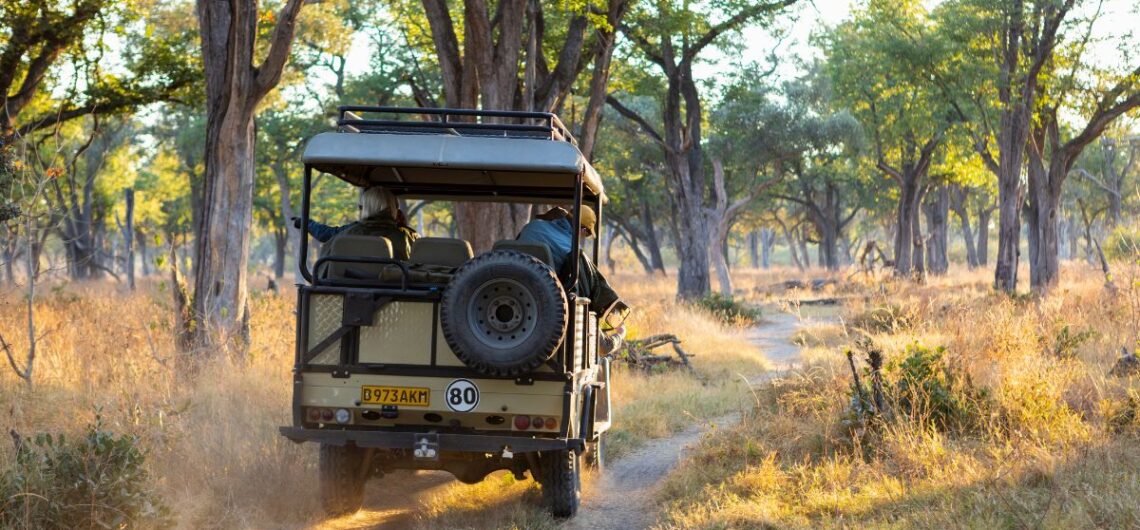
It was 6:15 AM. The jungle was still half-asleep. Our jeep had been crawling through Zone 3 for almost two hours with no luck.
And then — silence. Our driver killed the engine.
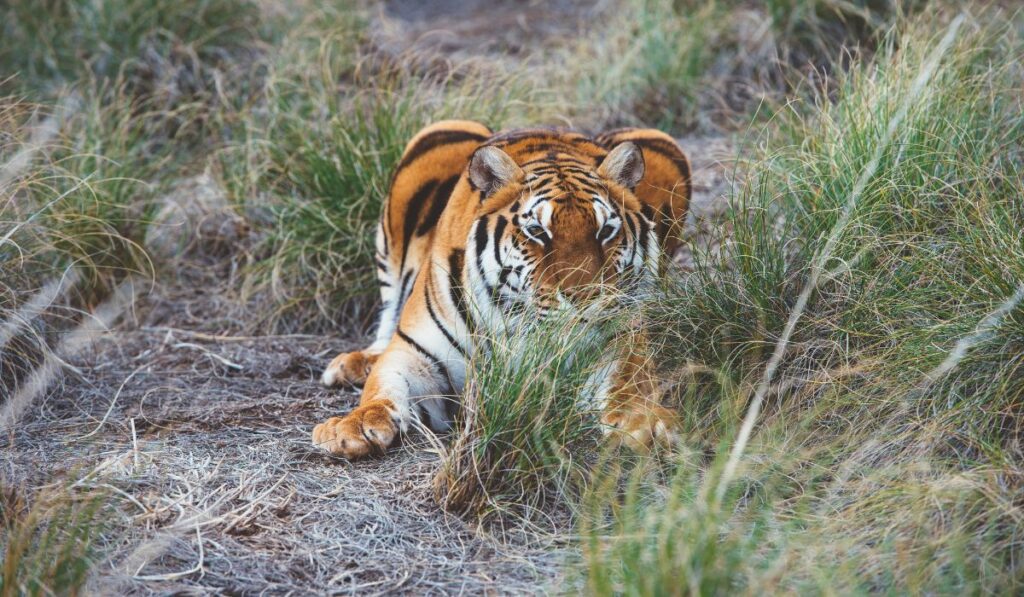
Through the mist, between two tall dhok trees, a Bengal tiger walked out. Slow. Unbothered. Like he owned the whole forest (because, well, he does).
Nobody spoke. Nobody breathed. For two full minutes, it was just us and him.
That moment is why people come to Ranthambore National Park. And that moment is exactly why they keep coming back.
If you’re planning a wildlife trip to India and want a genuine tiger safari experience, Ranthambore should be at the very top of your list. This Ranthambore National Park Travel Guide will tell you everything — from when to visit, how to book safaris, what it costs, where to stay, and how to make the most of every hour inside the jungle.
Let’s get into it. 🐯
What Is Ranthambore National Park? (Quick Overview)
📍 Location: Sawai Madhopur district, Rajasthan, India 🌳 Area: Approximately 1,334 sq km 🐅 Famous for: Bengal tigers, ancient fort, scenic lakes
Ranthambore sits in the eastern corner of Rajasthan, about 180 km from Jaipur. It’s one of India’s most visited tiger reserves and arguably the best place in the country to spot a wild tiger in daylight.
What makes it special? Three things:
- Open terrain — Unlike dense forests, Ranthambore’s landscape is a mix of dry deciduous forest, rocky hills, and open grasslands. Tigers are easier to spot here.
- Habituated tigers — The tigers here have grown up around safari vehicles. They don’t run away as easily.
- History meets wildlife — The 10th-century Ranthambore Fort (a UNESCO World Heritage Site) sits right in the middle of the forest. You won’t find that anywhere else.
The park was declared a tiger reserve under Project Tiger in 1973. Today, it’s home to over 70 tigers, plus leopards, sloth bears, crocodiles, deer, and hundreds of bird species.
Best Time to Visit Ranthambore
This is the most common question — and the honest answer is: it depends on what you want.
Month-by-Month Breakdown
| Month | Season | Tiger Sighting Chances | Weather | Overall Rating |
|---|---|---|---|---|
| October – November | Post-Monsoon | Good | Pleasant (25–30°C) | ⭐⭐⭐⭐ |
| December – February | Winter | Very Good | Cool (8–22°C) | ⭐⭐⭐⭐⭐ |
| March – April | Late Winter / Summer | Excellent | Warm (25–35°C) | ⭐⭐⭐⭐⭐ |
| May – June | Peak Summer | Best | Hot (38–45°C) | ⭐⭐⭐⭐ |
| July – September | Monsoon | Park Closed | Rainy | ❌ Closed |
🏆 Best months overall: February to May
This is when the heat forces animals — including tigers — to come out near waterholes. Sightings are more frequent, and the mornings are still manageable.
Winter (Dec–Feb) is great for comfort and birdwatching. Temperatures are lovely, and the forest looks lush after the monsoon.
Avoid July–September — the park stays closed during the monsoon season for forest regeneration.
💡 Pro Tip: If you want the best tiger sighting odds and bearable weather, target late February or early March. That sweet spot before summer kicks in is pure magic.
How to Reach Ranthambore National Park
Getting here is easier than most people think.
🚆 By Train (Best Option)
Sawai Madhopur Railway Station is the gateway to Ranthambore. It’s well-connected to major cities.
- From Delhi: Rajasthan Sampark Kranti Express or Mewar Express — about 4–5 hours
- From Jaipur: Multiple trains daily — just 2 hours
- From Mumbai: Overnight trains available — around 12–14 hours
Once at Sawai Madhopur station, it’s a 10-minute auto-rickshaw or cab ride to the park gates.
🚗 By Road
- From Delhi: ~340 km via NH48 and NH21 — around 5–6 hours
- From Jaipur: ~180 km — about 3 hours
- From Agra: ~235 km — about 4 hours
Road trips are fun if you want the freedom to stop along the way. The highways are decent and well-marked.
✈️ By Air
The nearest airports are:
- Jaipur International Airport — 180 km away (most convenient)
- Agra Airport — 235 km away
Fly into Jaipur, then take a train or cab to Sawai Madhopur. That’s what most international travelers do.
Ranthambore Safari Guide — The Most Important Section
Okay, this is the heart of everything. Let’s break it down properly.
Jeep Safari vs Canter Safari — Which One to Choose?
| Feature | Jeep Safari (Gypsy) | Canter Safari |
|---|---|---|
| Seating | 6 passengers | 20 passengers |
| Experience | Private, flexible | Shared, less personal |
| Off-road ability | Better | Limited |
| Cost | Higher | Lower |
| Best for | Serious wildlife lovers | Budget travelers |
My honest take: If you can afford it, go with the jeep. It’s quieter, more maneuverable, and your driver can follow a sighting more closely. On a canter, 20 people craning their necks for one tiger — the experience is very different.
Safari Timings (2026)
| Season | Morning Safari | Afternoon Safari |
|---|---|---|
| Oct – Feb | 6:30 AM – 10:00 AM | 2:30 PM – 6:00 PM |
| Mar – May | 6:00 AM – 9:30 AM | 3:00 PM – 6:30 PM |
| June | 6:00 AM – 9:30 AM | 3:30 PM – 7:00 PM |
Morning safaris have the edge for tiger sightings. Animals are active, light is beautiful for photography, and the air is cooler.
Afternoon safaris are great for birdwatching and catching golden-hour shots near the lakes.
Ranthambore Zones Guide — Which Zone Is Best?
Ranthambore is divided into 10 zones. Each zone has different terrain, wildlife density, and tiger territory.
Here’s a simple zone breakdown:
| Zone | Terrain Type | Tiger Sighting Chances | Best For |
|---|---|---|---|
| Zone 1 | Open grassland + lake | ⭐⭐⭐⭐⭐ | Tigers, crocodiles |
| Zone 2 | Lake area (Padam Talao) | ⭐⭐⭐⭐⭐ | Photography, tigers |
| Zone 3 | Fort area, dense forest | ⭐⭐⭐⭐ | Fort views, tigers |
| Zone 4 | Open terrain | ⭐⭐⭐⭐ | Leopards, deer |
| Zone 5 | Thick forest | ⭐⭐⭐ | Bears, birds |
| Zone 6–10 | Buffer zones | ⭐⭐ | Less crowded, scenic |
🏆 Best zones for tiger sightings: Zones 1, 2, and 3
When I visited, our booking landed us in Zone 2 — and we got two tiger sightings in one safari. Zones 1, 2, and 3 are the core zones with the highest tiger density.
Buffer zones (6–10) are newer additions. Fewer tourists go there, which can actually mean more relaxed wildlife. But tiger sighting chances are lower.
How to Book Ranthambore Safari — Step-by-Step
Safari slots are limited and fill up fast, especially in peak season. Book early. Seriously.
Step 1: Go to the official booking website: 👉 ranthambhore.com or forest.rajasthan.gov.in
Step 2: Select your preferred date and safari slot (morning or afternoon)
Step 3: Choose zone preference (you can give 3 preferences; final zone is allotted by the system)
Step 4: Select vehicle type — Gypsy (jeep) or Canter
Step 5: Enter passenger details (carry ID proof — Aadhaar, passport, etc.)
Step 6: Pay online and download your booking confirmation
Important notes:
- Bookings open 90 days in advance for online booking
- Carry a physical or digital copy of your booking + valid ID inside the park
- No walk-in bookings — everything is pre-booked
- Foreign nationals need to show their passport at the gate
Ranthambore Safari Cost (2026 Updated)
Here’s what you’ll actually pay:
Indian Tourists
| Vehicle Type | Per Person Cost (Approx.) |
|---|---|
| Gypsy (Jeep) | ₹1,200 – ₹1,500 |
| Canter | ₹700 – ₹900 |
(Includes entry fee + vehicle charge + guide fee)
Foreign Tourists
| Vehicle Type | Per Person Cost (Approx.) |
|---|---|
| Gypsy (Jeep) | ₹2,200 – ₹2,800 |
| Canter | ₹1,200 – ₹1,500 |
Additional costs to keep in mind:
- Camera fee (DSLR): ₹200–₹300 extra
- Video camera fee: ₹500+
- Hotel pickup/drop: ₹300–₹500 extra (optional, arranged through hotels)
💡 Pro Tip: Prices change slightly every season. Always check the official Rajasthan Forest Department website for current rates before booking.
Top Things to Do in Ranthambore (Beyond the Safari)
Most people come only for the tigers. But Ranthambore has a lot more.
🏰 Visit Ranthambore Fort
Built in the 10th century, this fort sits on a 700-foot hill inside the national park. You pass it during Zone 3 safaris.
It’s a UNESCO World Heritage Site as part of the Hill Forts of Rajasthan. The views from the top are breathtaking — forest on all sides, lakes below, and the ancient walls all around.
There’s a small Ganesh temple inside that’s surprisingly popular — devotees send wedding invitations to Lord Ganesh here before they invite anyone else. Sweet tradition.
🦢 Explore the Lakes
Ranthambore has three gorgeous lakes:
- Padam Talao — the largest and most famous
- Malik Talao — good for crocodile sightings
- Raj Bagh Talao — beautiful lily-covered surface
These lakes are often where tiger sightings happen — animals come to drink, especially in the hot months.
📸 Wildlife Photography
Ranthambore is a photographer’s paradise. The open terrain, golden-hour light, and habituated wildlife make it one of the best wildlife photography destinations in Asia.
Bring a telephoto lens (200–500mm recommended). Even with a good smartphone, you can get stunning shots near the lakes.
🐦 Birdwatching
Over 300 species of birds have been recorded in Ranthambore. Kingfishers, painted storks, eagles, owls, and the beautiful paradise flycatcher are just some highlights.
Winter months are best for birdwatching, when migratory birds arrive.
Best Hotels in Ranthambore (For Every Budget)
Staying close to the park means early morning safari departures are easy. Here’s a quick breakdown:
🏨 Luxury (₹8,000 – ₹25,000/night)
- Oberoi Vanyavilas — arguably India’s most iconic wildlife resort. Glamping-style tented suites. Unreal.
- Aman-i-Khás — minimalist luxury tents. Privacy, exclusivity, and exceptional service.
- SUJÁN Sher Bagh — safari camp vibes, excellent food, great guides.
🏩 Mid-Range (₹2,500 – ₹8,000/night)
- Ranthambore Regency — good location, friendly staff, solid food
- Tiger Den Resort — clean, comfortable, and close to gate
- Vivanta Sawai Madhopur Lodge — Taj group property, great value
🏕️ Budget (₹800 – ₹2,500/night)
- Hotel Ranthambhore Palace — basic, clean, great for backpackers
- RTDC Castle Jhoomar Baori — government-run heritage property, unusual and affordable
- Several guesthouses near Sawai Madhopur station
Practical Travel Tips (Things I Learned the Hard Way)
These are the things nobody tells you before your first Ranthambore trip:
- Book safaris 60–90 days in advance during peak season (Feb–May). Zones 1–3 fill up in hours.
- Wear muted, earthy colours — olive, brown, beige. Avoid bright red or white. Animals notice.
- Carry a scarf or light jacket — even in summer, 6 AM in an open jeep is chilly.
- Silence is everything — put your phone on airplane mode. A ringing phone has scared away more tigers than any other human mistake.
- Listen to your guide — they know the animal movements better than any app or article (including this one).
- Don’t stand up in the jeep when a tiger is spotted. It makes you look larger and can alarm the animal.
- Carry water and light snacks — no food stops inside the park.
- Sunscreen + sunglasses are a must for afternoon safaris.
- Download offline maps of Sawai Madhopur — internet can be patchy near the park.
- Tip your driver and guide — ₹200–₹500 is appropriate and genuinely appreciated.
Sample Itinerary for Ranthambore
🗓️ 1-Day Plan (Quick Visit)
| Time | Activity |
|---|---|
| 5:30 AM | Wake up, light breakfast |
| 6:00 AM | Morning safari (Zone 1/2/3) |
| 10:30 AM | Return to hotel, freshen up |
| 12:00 PM | Visit Ranthambore Fort |
| 2:00 PM | Lunch + rest |
| 3:00 PM | Afternoon safari |
| 6:30 PM | Return, dinner, relax |
🗓️ 2-Day Plan (Recommended)
Day 1:
- Morning safari (Zone 2 or 3)
- Afternoon: Ranthambore Fort + lakes
- Evening safari or sunset photography near Padam Talao
Day 2:
- Early morning safari (different zone)
- Mid-morning: Birdwatching walk (arrange through hotel)
- Afternoon: Visit Sawai Madhopur town, shop for local handicrafts
- Evening: Depart or relax at resort
Ranthambore vs Jim Corbett vs Bandhavgarh — Which One Should You Choose?
A question I get asked a lot. Here’s my honest take:
| Feature | Ranthambore | Jim Corbett | Bandhavgarh |
|---|---|---|---|
| Location | Rajasthan | Uttarakhand | Madhya Pradesh |
| Tiger density | High | Moderate | Very High |
| Tiger sighting ease | ⭐⭐⭐⭐ | ⭐⭐⭐ | ⭐⭐⭐⭐⭐ |
| Landscape | Dramatic, rocky | Lush, hilly | Dense forest |
| Other attractions | Fort, lakes | River, elephant rides | Ancient caves |
| Crowd level | High (Oct–May) | Moderate | Moderate |
| Best for | First-time + history lovers | Nature lovers | Tiger obsessives |
| Accessibility | Excellent | Good | Moderate |
My recommendation:
- First wildlife trip? → Ranthambore. Accessibility, landscape, and habituation make it beginner-friendly.
- Best tiger sighting odds? → Bandhavgarh, but it’s harder to reach.
- Want mountains + wildlife? → Jim Corbett all the way.
Frequently Asked Questions
Q1. Is it guaranteed to see a tiger in Ranthambore?
No, it’s never guaranteed — it’s a wild forest, not a zoo. But Ranthambore has one of the highest tiger sighting rates in India. Most visitors in Zones 1–3 during peak season (Feb–May) do spot tigers. Some see them on their very first safari. Others need two or three tries.
Q2. How many days are enough for Ranthambore?
Minimum 2 days, ideally 3. This gives you 2–3 safari sessions and time to explore the fort and lakes. One day is too rushed.
Q3. Can I book Ranthambore safari offline?
Online booking via the official Rajasthan Forest Department portal is strongly recommended. A very limited number of walk-in spots exist, but they’re unreliable, especially in peak season.
Q4. What is the best zone in Ranthambore for tiger sightings?
Zones 1, 2, and 3 are consistently the best for tiger sightings. Zone 2 (near Padam Talao) is particularly famous for tiger photography.
Q5. Is Ranthambore safe for solo women travelers?
Yes, generally very safe. Stay in reputable hotels, use official safari vehicles, and avoid wandering alone at night. The tourist infrastructure is well-developed and staff at most hotels are helpful.
Q6. What animals can I see besides tigers?
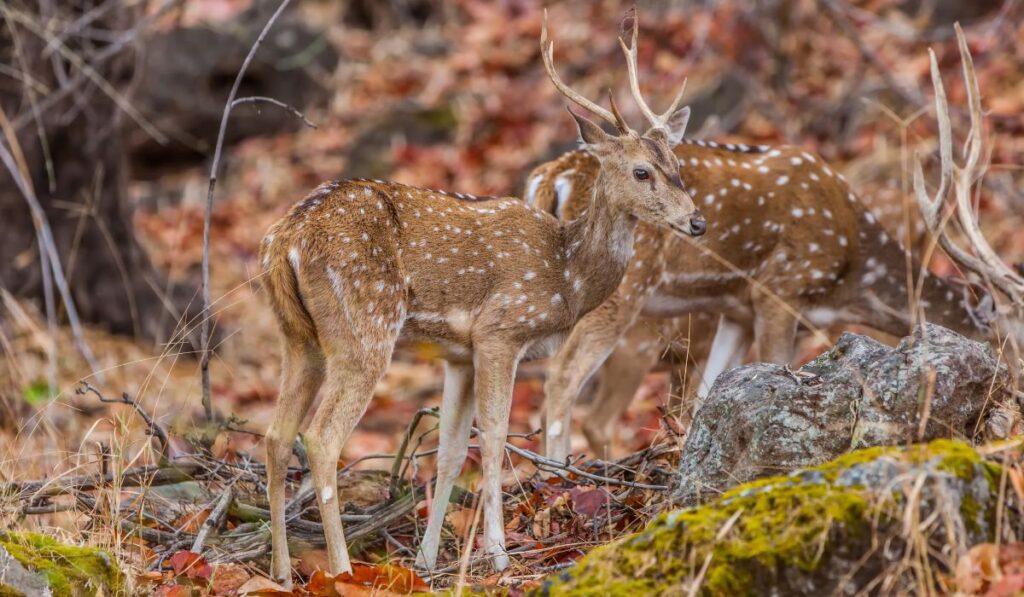
Loads! Leopards, sloth bears, striped hyenas, jungle cats, sambar deer, chital, nilgai, marsh crocodiles, monitor lizards, and over 300 bird species including painted storks and kingfishers.
Q7. Is the Ranthambore Fort worth visiting?
Absolutely. It’s a UNESCO World Heritage Site inside a tiger reserve — that combination exists nowhere else in the world. Even if you’re not a history person, the views alone are worth it.
Q8. What should I wear on a Ranthambore safari?
Wear neutral, earthy colours — khaki, olive, brown, grey. Avoid bright colours and white. Carry a light jacket for morning safaris and sunscreen + hat for afternoons.
Conclusion: Go. Just Go.
I’ve been to Ranthambore twice now. And both times, the jungle surprised me.
The first time, I saw a tiger lounging by a lake at golden hour — completely unbothered, completely majestic.
The second time, I didn’t see a tiger until the last safari. But I saw a sloth bear mother with her cubs, a marsh crocodile basking on a rock, and a kingfisher so blue it looked painted.
That’s the thing about Ranthambore — even without a tiger, it gives you something. The silence of the forest at dawn. The ancient fort on the hill. The way a sambar deer looks at you like you’re the intruder (which, of course, you are).
If you’ve been sitting on the fence about this trip — don’t. Book your safari. Pack your bags. Come see why Ranthambore National Park has been pulling travellers from across the world for decades.
The tiger is waiting. 🐅
Ready to experience the thrill of Ranthambore and spot a majestic tiger in the wild?
Make your trip hassle-free with a well-planned tour.
Comments